Zur Startseite
4.6/5
TrustPilot

Beste Kieferformung Ärzte in der Republik Korea - TOP -5 Ärzte

Top-Ärzte für und Preise in vergleichen. Finden Sie hier Ihre beste Option.

Erhalten Sie Angebote von 3 Top-Spezialisten für Kieferformung in der Republik Korea

Wir wählen die besten Ärzte individuell nach Ihren Bedürfnissen und Ihrem Budget aus.

Top-Ärzte

5

Republik Korea

Bewertungen

14.000+

Von echten Patienten

Wählen Sie das Land mit den besten Preisen für ärztliche Leistungen

Vergleichen Sie die Preise für in den beliebtesten Ländern

Tippen Sie auf ein Land, um Top-Ärzte und Preise zu sehen

Thailand
South Korea
Ukraine
Turkey
Poland
Czech Republic
$100 - $3,300
$1,100 - $5,600
$2,000 - $3,200
$3,000 - $6,000
$3,500 - $6,500
$3,500 - $6,000
$0
$2,000
$4,000
$6,000

Was Patienten von Bookimed tatsächlich für Kieferformung in der Republik Korea zahlen

Beliebteste Preisspanne

$4K

$5K

$6K+

$8K+

$10K+

$5,900 – $8,200

Die meisten Patienten zahlen in diesem Preisbereich

Die genauen Kosten hängen vom gewählten Arzt, der Behandlungsmethode, den behandelten Bereichen und Ihren individuellen Bedürfnissen ab.

Erhalten Sie ein genaues Angebot für Ihren Fall.

Erhalten Sie kostenlose, personalisierte Behandlungspläne und wählen Sie die beste Option. Keine Verpflichtung · Keine Gebühren für unsere Leistungen

Zuerst zeigen:

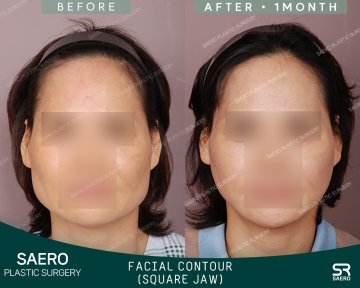
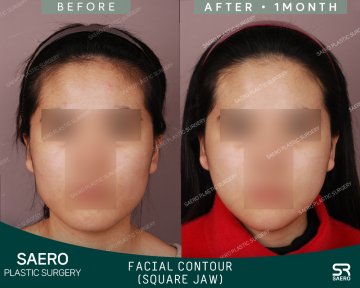
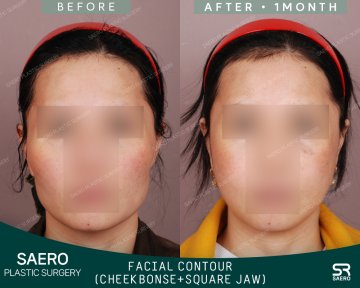
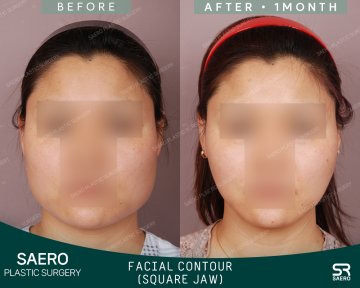
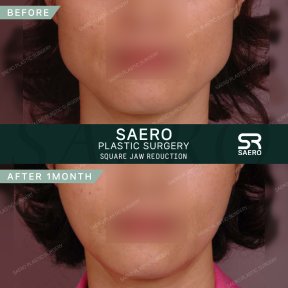
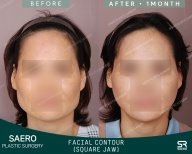
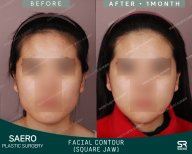
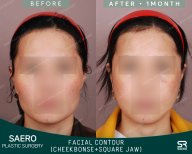
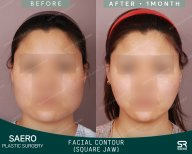
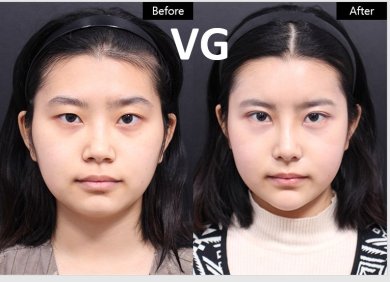
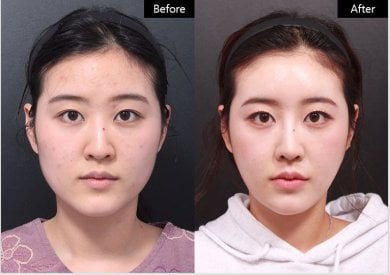
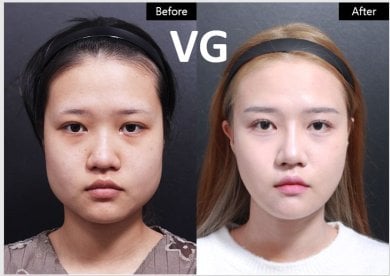
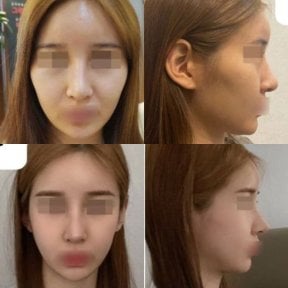
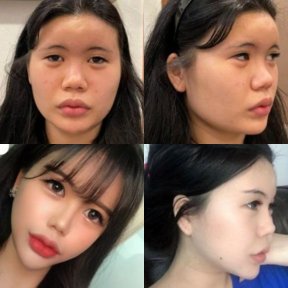
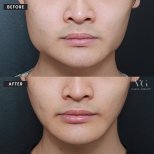
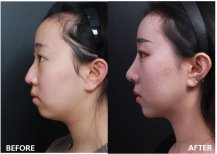
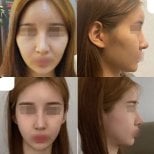
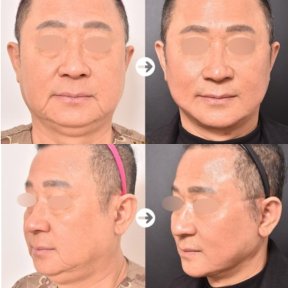
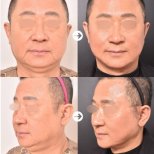
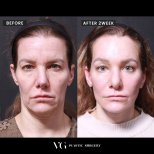
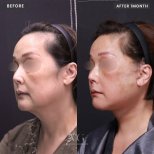
Vorher-nachher-Ergebnis Kieferformung bei VG Plastic Surgery, verbesserte Gesichtskontur
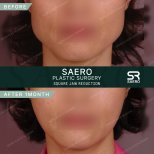
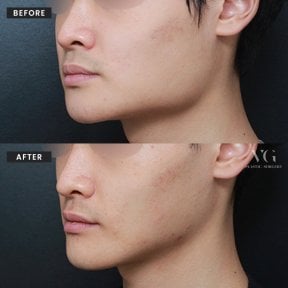
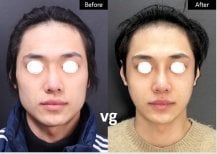
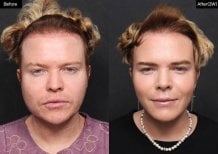
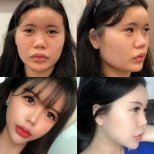
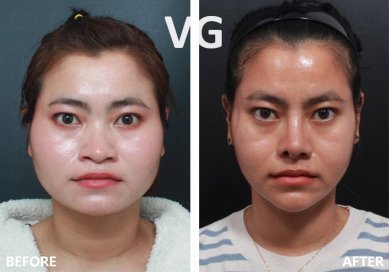
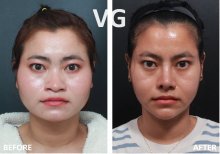
Vorher-nachher-Ergebnis Kieferformung bei VG Plastic Surgery, sichtbare Konturverbesserung
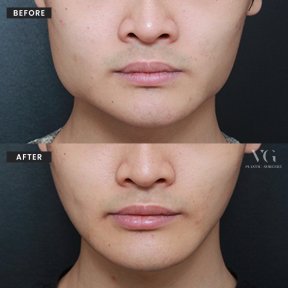
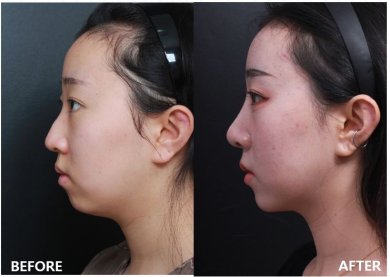
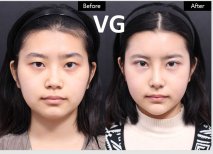
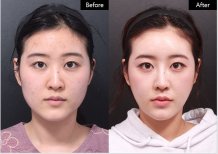
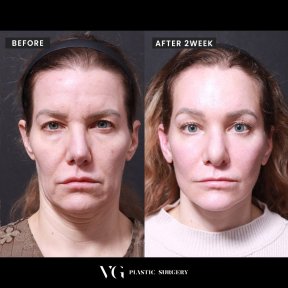
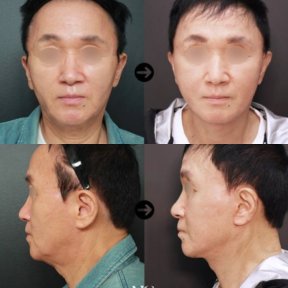
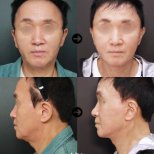
Vorher-nachher-Ergebnis Kieferformung bei VG Plastic Surgery, verbesserte Gesichtskontur
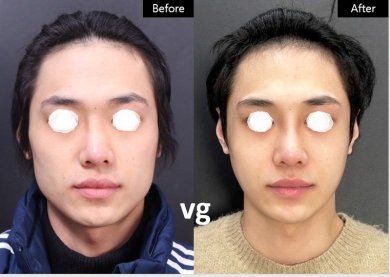
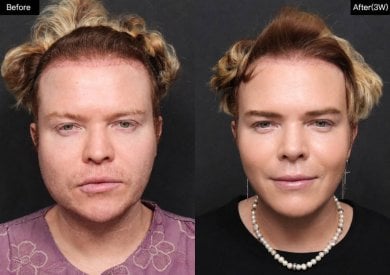
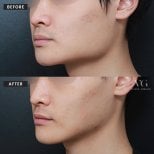
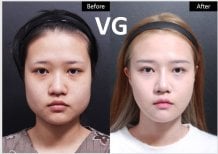
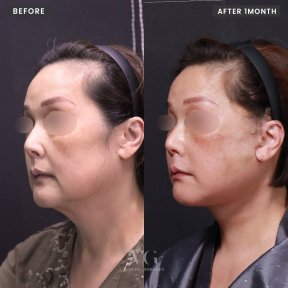
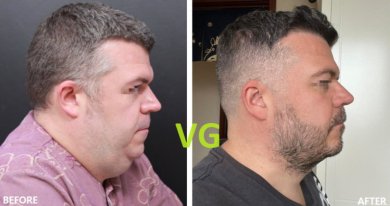
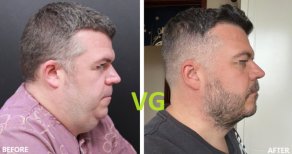
Vorher-nachher-Ergebnis Kieferformung bei VG Plastic Surgery, verbesserte Kieferlinie
Im Young Min

Im Young Min

4 Gut3 Bewertungen
20 Jahre der Erfahrung
Klinik ist zertifiziert
Korean Institute for Healthcare Accreditation
Standort: Republik Korea, Seoul

Dr. Im Young Min ist ein Facharzt für Plastische Chirurgie, spezialisiert auf Gesichtsformung und Kieferkonturierung, und gilt als einer der 100 besten Ärzte Koreas.

  • Promotion (Ph.D.) in Plastischer Chirurgie von der Katholischen Universität Korea
  • CEO von VG Plastic Surgery, führend in fortschrittlichen chirurgischen Techniken
  • Auszeichnung als Top-Marke für Schönheits- und Ästhetische Chirurgie durch die LBMA
  • Aktives Mitglied der Koreanischen Vereinigung der Plastischen Chirurgen
  • Über 15 Jahre Unterstützung von Kindern mit angeborenen Gesichtsfehlbildungen
Paketpreis ab$7,000
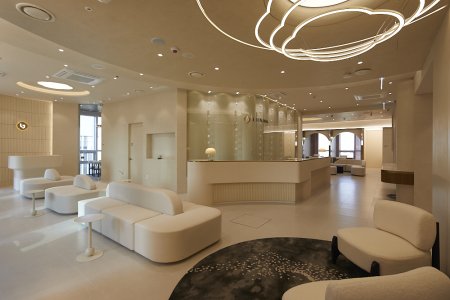
Lalian Cheongdam Klinik für Ästhetische Medizin
Jiyoun Kang

Jiyoun Kang

11 Jahre der Erfahrung
Standort: Republik Korea, Seoul

Jiyoun Kang, MD, ist Ärztliche Leiterin der LALIAN Cheongdam Clinic in Seoul, einem Zentrum für Ästhetik und Dermatologie. Sie ist in Korea als Fachärztin für Familienmedizin anerkannt und Spezialistin für Adipositasmedizin. Ihre Facharztausbildung in Familienmedizin absolvierte sie am Severance Hospital der Yonsei University. Anschließend war sie als klinische Professorin am Yongin Severance Hospital tätig.

Ihr Schwerpunkt liegt auf nicht-chirurgischer Gesichtsverjüngung, Lifting und Straffung, konturierenden Injektionen, regenerativer Anti-Aging-Behandlung, medizinischem Gewichtsmanagement und Körperkonturierung. Sie bietet individuelle Beratungen mit Fokus auf Sicherheit an. Jede Behandlung basiert auf einer detaillierten Haut- und Gesichtsanalyse.

Dr. Kang ist Mitglied koreanischer Fachgesellschaften für Adipositas, Ästhetik, Anti-Aging, Laserdermatologie und Lifting-Medizin. Sie ist designiertes Vorstandsmitglied der Korean Academy of Obesity & Aesthetic Treatment (KOAT). Sie bekleidete Leitungsfunktionen in führenden ästhetischen Kliniken. Bei LALIAN setzt sie evidenzbasierte Versorgung um.

ArztbesuchPreis auf Anfrage
Klinika medycyny estetycznej Oracle Cheongdam
Ro Youngwoo

Ro Youngwoo

22 Jahre der Erfahrung
Klinik ist zertifiziert
Korean Association For Laser Dermatology And Trichology
Standort: Republik Korea, Seoul

Hautarzt

Ordentliches Mitglied der Korean Dermatological Society

Ordentliches Mitglied der Korean Dermatological Association

Ordentliches Mitglied der Korean Laser Society

Ordentliches Mitglied der Koreanischen Gesellschaft für dermatologische und ästhetische Chirurgie

Ehemaliger Direktor der Oracle Dermatology Apgujeong-Niederlassung

Derzeitiger) Direktor der Niederlassung von Oracle Dermatology in Cheongdam

ArztbesuchPreis auf Anfrage
Klinika medycyny estetycznej Oracle Cheongdam
Jang Hansol

Jang Hansol

8 Jahre der Erfahrung
Klinik ist zertifiziert
Korean Association For Laser Dermatology And Trichology
Standort: Republik Korea, Seoul

Abschluss am Soonchunhyang University College of Medicine

Assistenzarzt am Soonchunhyang University Seoul Hospital

Ordentliches Mitglied der Korean Public Health Association

Ordentliches Mitglied der Korean Medical Association

(Aktuell) Direktor der Niederlassung von Oracle Dermatology in Cheongdam

ArztbesuchPreis auf Anfrage
Krankenhaus Seoul Miz
Seung-hyung Noh

Seung-hyung Noh

26 Jahre der Erfahrung
Standort: Republik Korea, Seoul

Dr. Seung‑Hyung Noh ist Facharzt für Plastische und Rekonstruktive Chirurgie. Er verfügt über umfangreiche Erfahrung mit Revisionsoperationen nach größeren ästhetischen Eingriffen. Er ist bekannt für die Behandlung komplexer Revisionsfälle, die umsichtiges Urteilsvermögen und präzise Technik erfordern.

Er erwarb seinen Medizinabschluss an der medizinischen Fakultät der Hanyang University. Seine Weiterbildung in Plastischer und Rekonstruktiver Chirurgie absolvierte er am Hanyang University Hospital. Zudem schloss er ein klinisches Weiterbildungsprogramm an der Columbia University in New York ab.

Sein Ansatz stellt Sicherheit, Harmonie und natürliche Ergebnisse an erste Stelle. Er vermeidet Überbehandlung und setzt auf die geringstmögliche Intervention. Er ist Vollmitglied bedeutender koreanischer Fachgesellschaften für Plastische Chirurgie, darunter die KSPRS.

ArztbesuchPreis auf Anfrage

Die Wahl einer Klinik im Ausland kann stressig sein. Bei Bookimed, wo wir bereits über 800.000 Patienten geholfen haben, verstehen wir Ihre Bedenken. Wir wissen, wie man vertrauenswürdige Ärzte, das beste Preis-Leistungs-Verhältnis und Lösungen selbst für komplizierte Fälle findet. Wir sind hier, um Sie bei jedem Schritt zu unterstützen.
Yan Matsiivskiy

Leiter des Teams der medizinischen Koordinatoren

4300++ begleitete Patientenreisen

3 Jahre bei Bookimed

60 Patienten aus haben diesen Monat über uns einen Arzt gefunden

Wie Sie Ihren perfekten Arzt finden

1

2-Minuten-Quiz

Teilen Sie Ihr Ziel, Budget und Ihren Zeitrahmen mit

2

Menschliches Matching + KI

Unser Algorithmus findet passende Matches, ein Koordinator prüft die Eignung

3

Ihre Optionen sind bereit

Preise, Pakete und Termine vergleichen. Mit Ihrem Koordinator chatten

Überfordert von der Auswahl?

Ihr persönlicher Bookimed-Koordinator hilft Ihnen, den perfekten, auf Ihre Bedürfnisse zugeschnittenen Chirurgen zu finden

  • Unterstützt Sie 24/7 in jeder Phase
  • Hilft Ihnen, den passenden Arzt zu finden und übernimmt die gesamte Kommunikation mit den Kliniken
  • Koordiniert Ihre Reise, Unterkunft und Transfers

Ihre Behandlung begleiten

Medizinisch geschulte persönliche Koordinatoren

Peguy Beaugris
Tetyana Hyrych
Zekra Eldeeb
Victoria Olayinka
Iryna Sydorchuk
Tetiana Ihnatiuk

Wie man Arzt und Klinik richtig auswählt: Insidertipps

Achten Sie bei der Auswahl eines Arztes oder einer Klinik auf diese wichtigen Punkte:
Prüfen Sie die Berechtigungsnachweise
Achten Sie auf Zertifizierungen von Organisationen wie ISAPS, JCI usw.
Informieren Sie sich über die Erfolgsquoten
Wählen Sie Ärzte mit umfassender Erfahrung in der Behandlung, die Sie benötigen.
Lesen Sie Patientenbewertungen
Lesen Sie Bookimed-Bewertungen von echten Patienten, um mehr über ihre Erfahrungen zu erfahren.
Sichern Sie eine effektive Kommunikation
Wählen Sie Kliniken, die sprachliche Unterstützung anbieten, um einen reibungslosen Behandlungsablauf zu gewährleisten.
Fragen Sie nach Dienstleistungen
Bestätigen Sie, ob der Preis Leistungen wie Unterkunft, lokale Transfers und Nachsorge umfasst, um versteckte Kosten zu vermeiden.

Erkenntnisse von Bookimed: Top-Spezialisten für die Kieferformung in der Republik Korea ()

Bookimed hat 53776 Anfragen für die Kieferformung in der Republik Korea koordiniert und arbeitet mit 5 Top-Spezialisten zusammen. Die Ärzte in dieser Tabelle werden basierend auf internationalen Qualifikationen, klinischer Expertise und Patientenergebnissen ausgewählt. Das Ranking für basiert auf verifizierten Daten aus echten Patientenfällen und aktuellen Programmen unserer Partnerkliniken.
RangArztErfahrungGut geeignet fürWas sie einzigartig machtKlinik & StandortBeratung
#120 Jahre der ErfahrungGesichtskonturierung und KieferformungAnerkannt als einer der 100 besten Ärzte Koreas für Gesichtskonturierung. Geschäftsführer von VG Plastic Surgery mit einem Doktortitel (Ph.D.) in Plastischer Chirurgie.
Republik Korea
Preis auf Anfrage

FAQ

Diese FAQs stammen von echten Patienten, die über Bookimed medizinische Hilfe suchen. Die Antworten werden von erfahrenen medizinischen Koordinatoren und vertrauenswürdigen Klinikvertretern gegeben.

How do Korean jaw-shaping doctors prevent nerve damage during surgery?

South Korean surgeons prevent nerve damage by combining 3D CT mapping with millimetric digital simulation. These specialists use precision imaging to plot the mandibular nerve path. This approach allows doctors to maintain a safe bone margin during the procedure to protect sensory functions.

  • Precision mapping: Surgeons use 3D scans to create detailed maps of bone density and nerves.
  • Digital simulation: Virtual planning allows for bone cuts with millimetric accuracy away from nerve canals.
  • Intraoral access: Accessing the jaw through internal incisions improves visibility of the mandibular ramus.
  • Specialized instruments: Tools designed to spread pressure evenly help prevent compression of surrounding soft tissues.

Bookimed Expert Insight: Data shows that top plastic surgeons in Seoul often hold dual roles as medical professors and lead researchers. For example, Dr. Im Young Min of VG Plastic Surgery is a board-certified specialist who has earned recognition as one of Korea's 100 Good Doctors specifically for facial contouring. This academic background typically indicates a deep understanding of complex craniofacial anatomy which is vital for avoiding nerve pathways.

Patient Consensus: Patients note that 3D imaging is a standard part of the pre-surgical process in Seoul. Many were surprised by initial numbness caused by swelling but found that sensation usually returns over several months. People who chose younger surgeons often observed a more cautious and conservative approach to nerve preservation.

Do Korean jaw-shaping doctors operate from the outside and leave visible scars?

Korean jaw-shaping doctors typically avoid visible scars by performing incisions inside the mouth between the gums and cheeks. This intraoral approach allows surgeons to access the bone directly. Facial contours are reshaped without leaving external cuts. Most patients notice no lasting aesthetic marks on their skin.

  • Incision location: Surgeons place cuts inside the mouth to hide all resulting surgical marks.
  • Scar prevention: The internal technique ensures no visible scarring remains on the facial surface.
  • Minor exceptions: Rare needle-sized cheek incisions for screws usually fade completely within several months.
  • Healing process: Dissolvable stitches inside the mouth typically absorb fully within about 14 days.

Bookimed Expert Insight: Data shows that top Korean specialists like Dr. Im Young Min at VG Plastic Surgery often hold a Ph.D. specifically in plastic surgery. This advanced academic background is a distinct trend among Seoul's surgeons. It reflects a deep focus on the complex anatomy required for bone-shaping procedures.

Patient Consensus: Patients note that while the lack of visible scars is a relief, the initial swelling is quite intense. Many were surprised that they could only see their refined jawline after several months of recovery. Everyone emphasizes that keeping the mouth clean is the most important part of the process.

What specialized bone-cutting techniques do Korean jaw surgeons use to avoid a second-angle or ‘stair-step’ deformity?

Korean surgeons utilize long-curved osteotomy to eliminate the abrupt angles seen in traditional mandibular resections. This specialized technique creates a continuous arc from the ear to the chin. It avoids the stair-step deformity while maintaining a natural-looking jawline across the bone surface.

  • Long-curved osteotomy: A single continuous cut along the mandible prevents unnatural angular bone steps.
  • Cortical bone shaving: Thinning the outer bone layer ensures a smooth transition and reduces width.
  • T-osteotomy integration: This method narrows the chin to blend perfectly with the reshaped jawline.
  • Piezoelectric technology: Ultrasound saws provide precise, vibration-free cuts to maintain perfectly smooth bone edges.

Bookimed Expert Insight: Surgeons in Seoul often combine bone cutting with international training to refine their results. Dr. Seung-Hyung Noh at Seoul Miz Hospital, who trained at Columbia University, specializes in complex jaw revisions. Dr. Im Young Min at VG Plastic Surgery, a Ph.D. holder, is recognized among Korea’s 100 Good Doctors for his expertise in facial contouring techniques.

Patient Consensus: Patients note that their results look better when surgeons use 3D CT planning to map nerves before cutting. Many say using a curved saw makes the chin and jaw look like one natural piece. They find that choosing a doctor who offers genioplasty helps the entire lower face taper smoothly.

How do Korean specialists keep the soft tissue from sagging after they reduce the jawbone?

Korean specialists prevent sagging after jaw reduction by using advanced intraoperative anchoring and structural repositioning. These techniques secure muscles and deep tissue layers to the newly shaped bone. This proactive approach supports the skin to maintain a defined, lifted jawline.

  • Periosteum repositioning: Surgeons realign the bone membrane upward to encourage proper soft tissue reattachment.
  • Muscle anchoring: Specialists use internal stitches to secure muscles to stable points on the bone.
  • SMAS layer dissection: Doctors lift the deep muscle-fascia layer to provide a structural foundation.
  • Conservative bone reduction: Experts like Dr. Im Young Min prioritize keeping structural support for natural results.

Bookimed Expert Insight: Data shows that top Korean surgeons like Dr. Seung-hyung Noh at Seoul Miz Hospital focus on revision precision. They often combine bone reduction with diagonal resection to avoid the step effects that cause skin to drape poorly. This technique ensures the soft tissue settles smoothly along the new contour without leaving excess laxity.

Patient Consensus: Patients note that wearing compression garments for the first month is vital for tissue positioning. They say the jawline continues to tighten for up to a year after the procedure. Many were surprised that keeping structural support points actually prevents the jowling they feared.

Can Korean jaw surgeons perform double-jaw (bi-maxillary) surgery without requiring the patient to wear dental braces first?

South Korean surgeons routinely perform double-jaw surgery without pre-surgical braces using the surgery-first approach. This method corrects the bone structure immediately. Advanced 3D virtual simulations and temporary anchorage devices allow for precise alignment during the procedure. This typically reduces total treatment time by over a year.

  • Virtual planning: Surgeons use 3Ds simulations to align the bite during the procedure.
  • Temporary anchorage: Mini-screws provide stable tooth control without traditional metal braces.
  • Time efficiency: Patients often finish all treatment in under 12 months.
  • Eligibility: This approach works best for patients with mild to moderate dental misalignment.

Bookimed Expert Insight: Data shows that top Korean specialists like Dr. Young Min Im at VG Plastic Surgery often use Ph.D. level expertise to manage complex facial contouring cases. A unique trend in Seoul clinics is the integration of international training backgrounds. For example, Dr. Seung-hyung Noh at Seoul Miz Hospital brings clinical insights from Columbia University to refine complex revision surgeries.

Patient Consensus: Patients are often surprised by the speed of the surgery-first protocol compared to their home countries. Many mention that using mini-screws instead of braces saved them years of discomfort. They note that having no braces before surgery but wearing them for six months after is a common experience.

How should patients prepare reference material to help Korean jaw surgeons plan a personalized procedure?

Patients should provide high-resolution CT scans and dental records to assist Korean surgeons. Clear photos from multiple angles help doctors visualize the desired outcome. These materials allow surgeons like Dr. Im Young Min to create a safe surgical plan. Accurate data helps maintain natural facial harmony.

  • Imaging data: Share DICOM data from CT scans with thin slice intervals for precision.
  • Visual references: Include 20 to 50 photos showing front, profile, and 3/4 views.
  • Aesthetic goals: Use images of people with similar bone structures to set realistic expectations.
  • Functional history: Document orthodontic treatments and jaw joint symptoms like clicking or biting issues.

Bookimed Expert Insight: While many search for celebrity photos, top specialists like Dr. Seung-hyung Noh often prefer personalized head-rotation videos. Capturing your face while speaking and smiling allows the surgical team to catch potential issues like over-reduction. This dynamic data helps doctors cross-reference your bone structure with 3D simulations for safer results.

Patient Consensus: Many patients suggest using digital morphs of your own face rather than generic idol pictures. They note that bringing a printed mood board allows the surgeon to sketch directly on the images. Annotating notes helps the surgical team understand exactly which features you want to preserve.