Dan Mirelman
- 4.5 Gut • 171 Bewertungen
- 21 Jahre der Erfahrung
- Israel, Tel Aviv, Sourasky Medical Center
Robotische da Vinci-Prostatektomie
$27,920 - $27,920
Mastektomie
$1,350 - $1,640
Chemotherapie
$1,200 - $1,200
Professor Joseph Klauzner ist Chefarzt der Chirurgie am Sourasky Medical Center. Er bringt hochkarätige chirurgische Expertise in jede umfassende Diagnose kolorektaler Pathologien ein.
Dr. Arzu Guliyeva ist Gastroenterologin am Zentrum für Integrative Biologische Medizin in Baku. Sie ist auf die Behandlung chronisch entzündlicher Erkrankungen wie Morbus Crohn und Colitis ulcerosa spezialisiert. Dr. Guliyeva absolvierte eine Fachausbildung an der Ege-Universität und im Sisli Etfal Krankenhaus in der Türkei.
Dr. Peter Schenker ist Chefarzt am Medizinischen Zentrum in Solingen. Er ist spezialisiert auf gastrointestinale Onkologie und Pankreaschirurgie. Zuvor war er als Chefarzt am ersten zertifizierten Darmkrebszentrum Deutschlands tätig. Dr. Schenker konzentriert sich auf robotergestützte und minimalinvasive chirurgische Methoden. Er behandelt komplexe Erkrankungen wie Barrett-Ösophagus und Morbus Crohn.
Dr. Viktor Alexander Krol ist Chefarzt für Gastroenterologie und Innere Medizin am St. Martinus-Krankenhaus Düsseldorf. Er leitet zudem ein zertifiziertes Adipositaszentrum. Dr. Krol behandelt komplexe Erkrankungen des Verdauungstraktes, des Stoffwechsels und der Atemwege. Er arbeitet in einer von nur zwei deutschen Kliniken, die von der International Federation for the Surgery of Obesity akkreditiert sind.
Prof. Selin Kapan ist seit 2017 Professorin für Allgemeinchirurgie. Seit 2022 arbeitet sie an der Istanbul Aydın Universität, Medizinische Fakultät, Abteilung für Allgemeinchirurgie. Zuvor war sie am Bakırköy Dr. Sadi Konuk Lehr- und Forschungskrankenhaus als Fachärztin und außerordentliche Professorin tätig. Außerdem war sie Ausbildungs- und Verwaltungsleiterin am Kanuni Sultan Süleyman Lehr- und Forschungskrankenhaus sowie Medizinische Koordinatorin und Allgemeinchirurgin am Istanbul Surgery Hospital.
Sie ist Autorin bzw. Mitautorin von mehr als 50 begutachteten Publikationen. Ihre Forschungsschwerpunkte umfassen Hernienversorgung, perianale Fistel, Sinus pilonidalis, hepatische Echinokokkose, laparoskopische Chirurgie und gastrointestinale Chirurgie. Ihre Arbeiten erschienen u. a. in Digestive Surgery, Hernia, Techniques in Coloproctology und dem Journal of Gastrointestinal Surgery. Sie ist Mitglied der Türkischen Chirurgischen Gesellschaft, der Nationalen Gesellschaft für Trauma- und Notfallchirurgie, der Herniengesellschaft, der Türkischen Gesellschaft für hepato-pankreato-biliäre Chirurgie, der Gesellschaft für Stammzell- und zelluläre Therapien sowie der Gesellschaft für gastroösophagealen Reflux.
Dr. Ercan Ozden ist Facharzt für Innere Medizin und medizinische Onkologie. Er absolvierte sein Medizinstudium und seine Facharztausbildung an der Medizinischen Fakultät der Universität Istanbul, Cerrahpaşa. Von 2016 bis 2020 erwarb er die Zusatzbezeichnung für medizinische Onkologie an der Medizinischen Fakultät der Universität Kocaeli.
Dr. Ozden arbeitete in der medizinischen Onkologie am Staatlichen Krankenhaus Şırnak. Zudem war er als Internist am privaten Safa-Krankenhaus Bağcılar und am Batı Bahat-Krankenhaus Küçükçekmece tätig. Er verfügt über umfassende klinische Erfahrung in der Inneren Medizin und Onkologie.
Dr. José Miguel Esteban López-Jamar ist Gastroenterologe. Seit 2007 leitet er die Einheiten für Endoskopie des Verdauungstrakts und für Verdauungserkrankungen am Hospital Ruber Internacional. Er verfügt über mehr als 20 Jahre Erfahrung und gilt in Spanien als Pionier der Endosonografie (EUS). Seine Arbeit umfasst diagnostische und interventionelle Endoskopie. Er setzt innovative, minimalinvasive Verfahren bei komplexen gastrointestinalen Erkrankungen ein.
Am Hospital Clínico San Carlos war er Leiter der Endoskopie (2008–2012) und Leiter für endoskopische Innovation (2012–2014). Er absolvierte internationale Weiterbildungen am AMC Amsterdam, am Institut Paoli-Calmettes in Marseille und am Zhongshan Hospital in Shanghai. Er hat einen MD und einen PhD der Complutense-Universität Madrid. Er ist Facharzt für Gastroenterologie. Er nimmt an multizentrischen europäischen Studien und klinischen Prüfungen teil und ist Mitglied der SEPD, SEED und ESGE.
Dr. Irfan Cicin ist Professor für Medizinische Onkologie am İstinye University Liv Hospital Topkapı. Er ist auf die Behandlung komplexer Krebserkrankungen spezialisiert, darunter Glioblastome, Lungenkrebs und Bauchspeicheldrüsentumoren. Er ist als Professor an der medizinischen Fakultät der Trakya-Universität tätig. Dr. Cicin diente zuvor als Arzt bei der türkischen Luftwaffe.
Dr. Omer Burcak Binicier ist Facharzt für Gastroenterologie mit fundierter medizinischer Ausbildung. Er absolvierte sein Medizinstudium an der Ege Universität und seine Facharztausbildung für Innere Medizin und Gastroenterologie an der Medizinischen Fakultät der Dokuz Eylül Universität. Dr. Binicier verfügt über mehr als zehn Jahre klinische Erfahrung und hatte leitende Positionen am SBÜ Tepecik Ausbildungs- und Forschungskrankenhaus sowie am İzmir Bayraklı Stadtkrankenhaus inne. Internationale Erfahrung sammelte er an der Korea Universität.
Dr. Binicier diagnostiziert und behandelt ein breites Spektrum an Magen-Darm-Erkrankungen. Seine Schwerpunkte sind frühe Darm- und Magenkrebserkrankungen, chronisch-entzündliche Darmerkrankungen, Leber- und Bauchspeicheldrüsenerkrankungen sowie Tumore des Verdauungstrakts. Er wendet moderne endoskopische Verfahren wie EMR, ESD, ERCP und endoskopischen Ultraschall an und ist zudem erfahren in minimal-invasiven Adipositasbehandlungen. Seine klinischen Fähigkeiten basieren auf jahrelanger Praxis in führenden medizinischen Zentren.
Dr. Seymur Aslanov ist Facharzt für Innere Medizin und Gastroenterologie. Er absolvierte eine Fachausbildung am Universitätsklinikum Ege. Dr. Aslanov diagnostiziert und behandelt zahlreiche Erkrankungen des Magen-Darm-Trakts. Seine Schwerpunkte sind chronisch-entzündliche Darmerkrankungen, Tumore des Verdauungstrakts, Leber- und Bauchspeicheldrüsenerkrankungen sowie gastrointestinale Blutungen.
Er beherrscht fortgeschrittene endoskopische Verfahren wie ERCP, Koloskopie, endoskopische Polypektomie und Stenteinlage bei Stenosen. Dr. Aslanov war als wissenschaftlicher Mitarbeiter und Facharzt an der Universität Ege tätig und arbeitete zudem als Internist am Izmir Medical Point.
Er ist Mitglied der Ärztekammer Izmir.
Dr. Muhammed Mustafa Atci ist außerordentlicher Professor für Medizinische Onkologie an der İstinye-Universität, Liv Hospital Topkapı (seit 2025). Zuvor war er als außerordentlicher Professor und Weiterbildungskoordinator am Prof.-Dr.-Cemil-Taşcıoğlu-Stadtkrankenhaus tätig (2023–2025). Davor war er dort als Medizinischer Onkologe tätig (2018–2021).
Seit 2018 ist er Mitglied der ASCO und der Türkischen Gesellschaft für Medizinische Onkologie. Er ist Autor oder Koautor von 19 begutachteten internationalen Fachartikeln zu Kolon-, Brust-, Magen-, Pankreas-, Lungen-, Schilddrüsen-, Sarkom- und kolorektalen Krebsarten.
Zu seinen bemerkenswerten Arbeiten gehört eine multizentrische Studie zum Überleben beim Kolonkarzinom im Stadium IIB (Journal of Chemotherapy). Außerdem untersuchte er das De‑Ritis‑Verhältnis im Hinblick auf Lungenmetastasen bei Hodenkrebs (Current Urology). In seinen prognostischen Studien nutzte er PET/CT, MSI, den Lymphknotenquotienten und das metabolische Tumorvolumen.
Dr. Sanchez Yague ist Gastroenterologe bei Quirónsalud Marbella in Spanien. Er war der weltweit erste Spezialist, der den 15-mm-AXIOS-Stent einsetzte. Dieses Gerät dient zur Drainage von Pankreasflüssigkeitsansammlungen. Er leistete Pionierarbeit bei der endoskopischen submukosalen Dissektion in Spanien. Dr. Sanchez Yague führte zudem die Gastroenterostomie mittels Lumen-apposierenden Stents in Andalusien ein.
Dr. Yahya Ozel ist Allgemeinchirurg in der Estexper Klinik in Istanbul. Er hat im Laufe seiner Karriere über 12.000 Eingriffe durchgeführt. Dr. Ozel ist auf bariatrische, metabolische und onkologische Chirurgie spezialisiert. Er absolvierte seine Ausbildung am Universitätsklinikum Tokio in Japan, wobei er sich auf komplexe Leber- und Pankreaschirurgie konzentrierte.
Dr. Cheon Wonseok ist Leiter der Gastroenterologie am Na-Eun Hospital. Er behandelt Magen-Darm-Erkrankungen, darunter Magen- und Speiseröhrenkrebs, Infektionen mit Helicobacter pylori, Lebererkrankungen sowie chronisch-entzündliche Darmerkrankungen (Morbus Crohn, Colitis ulcerosa). Er führt Gastroskopie, Koloskopie, Polypektomie und endoskopische Submukosadissektion (ESD) durch und bietet Dünndarm-Kapselendoskopie an.
Akkreditierungen: Board-zertifizierter Spezialist für gastrointestinale Endoskopie. Lebenslanges Mitglied der Koreanischen Gesellschaft für Gastrointestinale Endoskopie. Ordentliches Mitglied der Koreanischen Gesellschaft für Innere Medizin.
Ausbildung: Medizinstudium am College of Medicine der Kyung Hee University. Internship am Kyung Hee University Medical Center. Facharztausbildung in Innerer Medizin am Hallym University Sacred Heart Hospital. Klinisches Fellowship in Gastroenterologie am Chung-Ang University Hospital.
Assoz. Prof. Priv.-Doz. Dr. Alexander W. Hauswirth ist Spezialist für Innere Medizin und Hämato-Onkologie bei JUVENIS. Seit 2010 ist er leitender Oberarzt für Hämatologie/Hämostaseologie und Onkologie an der Klinik für Innere Medizin I der Medizinischen Universität Wien/AKH Wien, dem größten Krankenhaus Österreichs.
Er schloss 1999 sein Medizinstudium an der Universität Wien ab. 2010 erhielt er die Venia docendi und wurde 2012 zum Assoziierten Professor ernannt. 2014 erwarb er eine Zusatzqualifikation in Hämato-Onkologie. Als Schrödinger-Stipendiat in Salamanca (2009–2010) forschte er zu CLL-Stamm- und Vorläuferzellen. Seit 2000 publiziert er regelmäßig.
Akkreditierungen: Diplome der Österreichischen Ärztekammer in Notfallmedizin (seit 2009) und Sportmedizin (2018). Auszeichnungen: Schrödinger-Stipendium (2009), ÖGHO-Preis (2009) und Posterpreis der European Society of Chemotherapy (2003). Klinische Schwerpunkte: Anämien, Leukämien, Lymphknotenerkrankungen, Gerinnung und Antikoagulation sowie präoperative Abklärung. Sprachen: Deutsch und Englisch.
Dr. Yaacov Lawrence, MA, MBBS, MRCP, ist Leiter der Abteilung für Radioonkologie am Sheba Medical Center. Er verfügt über fast 30 Jahre Erfahrung in präzisionsorientierter Strahlentherapie und Neuroonkologie.
Er ist Experte für moderne Strahlentherapie und Radiochirurgie. Er führt stereotaktische Radiochirurgie bei Hirntumoren durch. Er leitet am Sheba das GI-Krebsprogramm (gastrointestinale Onkologie). Zudem bietet er präzisionsmedizinische Versorgung bei Lungen- und Prostatakrebs an. Er war Wegbereiter der Radiochirurgie des Zöliakusplexus zur Behandlung starker Schmerzen bei Bauchspeicheldrüsenkrebs.
Ausbildung und Qualifikationen: MA und MBBS (Cambridge und UCLH); MRCP (RCP); Fellowship in Radioonkologie (Thomas Jefferson University). Auszeichnungen u. a. ASCO Young Investigator Award und Fellow of ASTRO (FASTRO). Autor von über 280 Publikationen. Direktor des Zentrums für translationale Radioonkologie und außerordentlicher Professor an der Universität Tel Aviv.
Zhang Jinshan, male, China’s First M.D. in the Radiation Medicine, CCI (Chinese College of Interventionalists) Master Interventionalist, Director of the Department of Former Radiological Diagnosis at Chinese PLA General Hospital(No.3 in China) Ph.D. of Medicine, Nagasaki University, Japan.
1980–1985: Completed doctoral studies at Nagasaki University, Japan
1968–present: Department of Radiology, Chinese PLA General Hospital
1988: Third Prize of the Military Science and Technology Progress Award
1989–present: Member of Radiological Society of North America(RSNA)
1990–2009: Standing Committee Member of the Radiology and Therapeutic Radiology Committee of the PLA
1991: Second Prize of the Military Science and Technology Progress Award
1992–2008: Group Leader of the Group of Intervention of Chinese Journal of Radiology
1992–2015: Standing Editorial Board Member and Editorial Board Member of Journal of Interventional Radiology
1993: Granted the Lifetime Special Government Allowance of the State Council
1993–2012: Deputy Chief Editor of Chinese Journal of Medical Image Technology
1994: Third Prize of the Military Science and Technology Progress Award
1997: Second Prize of the Military Science and Technology Progress Award
1997–2009: Standing Member of Chinese Society of Radiology
1999: Third Prize of the Military Science and Technology Progress Award
1999–2010: Deputy Director Member of Chinese Society of Interventional Oncology
2002: Second Prize of the Military Science and Technology Progress Award
2005: Third Prize of the Military Science and Technology Progress Award
Member of Radiological Society of North America(RSNA)
Standing Member of Chinese Society of Radiology
Group Leader of the Group of Intervention of Chinese Journal of Radiology
Deputy Director Member of Chinese Society of Interventional Oncology
Director Member of Beijing Medical Association Society of Interventional Radiology
Deputy Chief Editor of Chinese Journal of Medical Image Technology
Standing Member of Professional Committee of Radiological Medicine of the Chinese People’s Liberation Army
Standing Editorial Board Member and Editorial Board Member of Journal of Interventional Radiology
Awarded the Special Government Allowance of the State Council
Awarded three Second Prizes and four Third Prizes for Military Science and Technology Progress.
Awarded the honorary title of “Chinese College of Interventionalists(CCI) Master Interventionalist”
Led multiple national and provincial/ministerial scientific research projects, including two projects funded by the National Natural Science Foundation of China and two projects funded by the Department of Science and Technology of Sichuan Province.
In the pioneering development of interventional medicine in China, Zhang Jinshan has been an indispensable founder and leading figure. As China’s first overseas-trained doctoral graduate in radiological medicine, he returned to China in the 1980s after completing his studies abroad and introduced cutting-edge international interventional technologies to the country. Over more than four decades of dedicated practice and research, he has helped propel Chinese interventional medicine from its infancy to a position at the forefront of the global field through his exceptional clinical expertise and profound academic accomplishments.
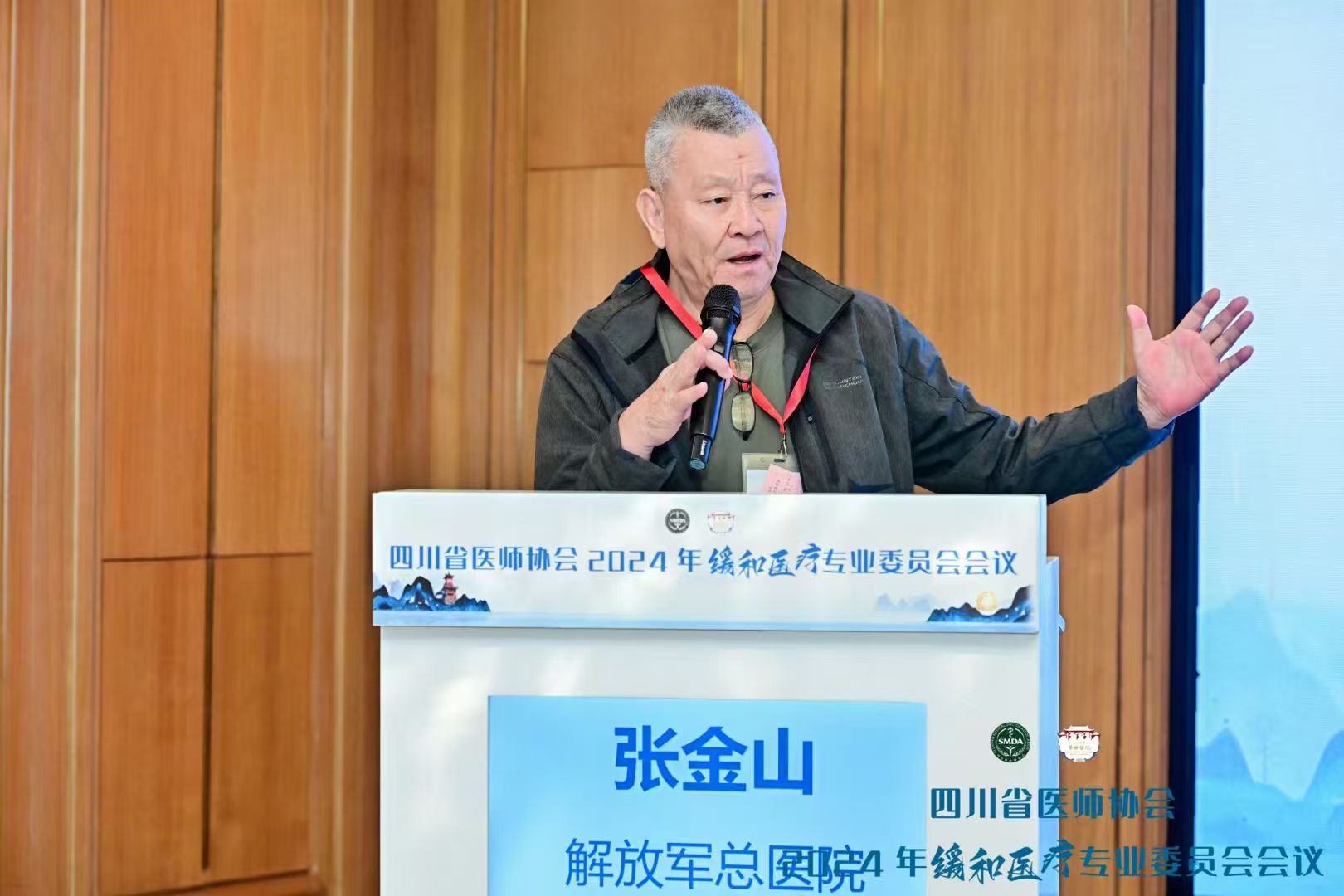
Professor Zhang Jinshan has long been dedicated to the field of medical imaging and has developed distinctive expertise in selective and superselective interventional diagnosis and treatment for solid tumors such as liver cancer, demonstrating exceptional technical proficiency and profound academic accomplishment. Beginning in the 1990s, he led his team in pioneering the clinical application and research of TIPSS and B-ORTO in China, filling major gaps in the domestic field and opening new paths for the interventional management of gastrointestinal bleeding caused by portal hypertension secondary to liver cirrhosis. In addition, he has made groundbreaking contributions to the interventional diagnosis and treatment of peripheral vascular diseases, as well as to preoperative embolization for spinal tumors.
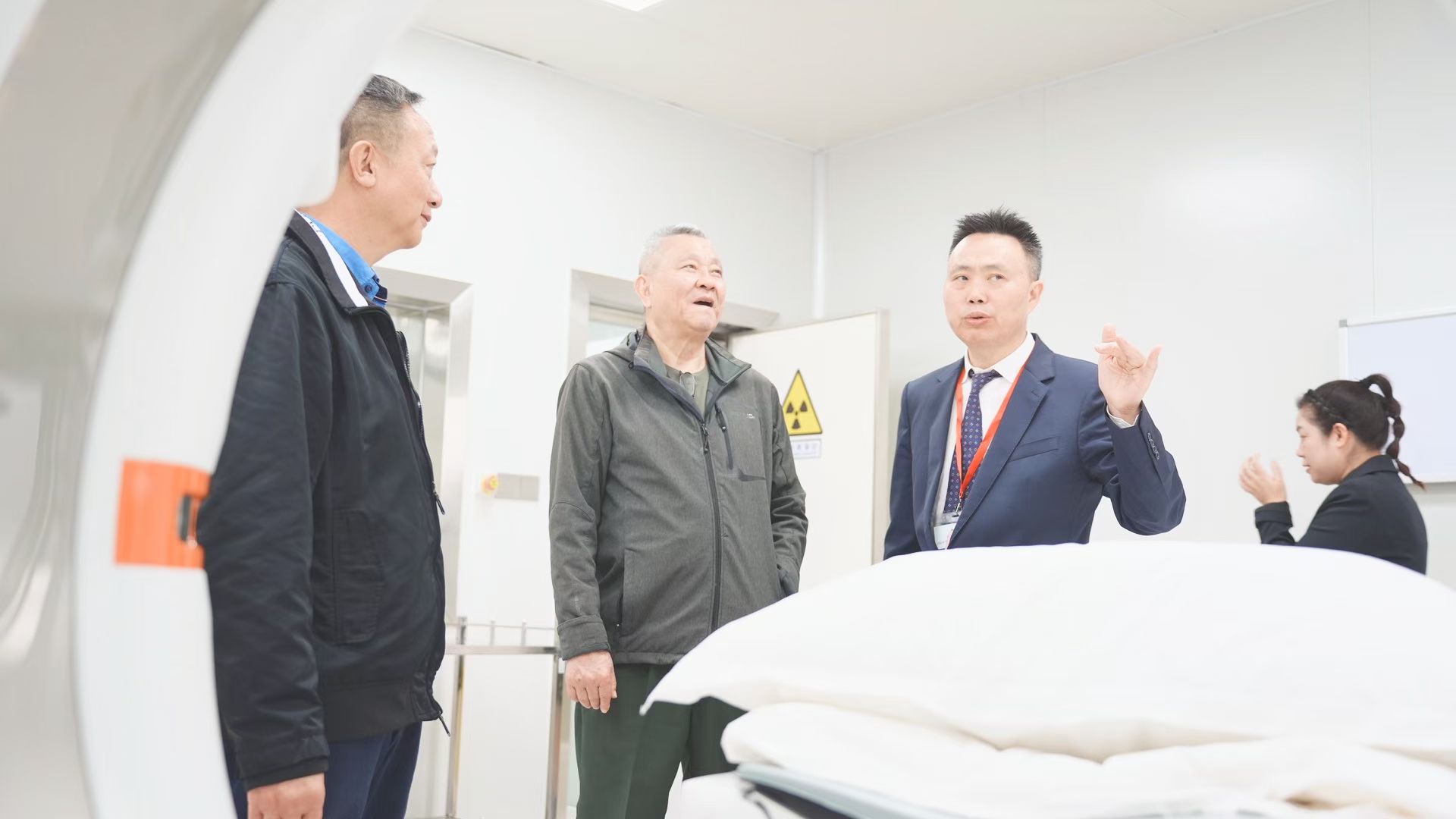
In the field of liver cancer treatment, Professor Zhang Jinshan not only led the development of standardized treatment protocols for liver cancer but also pioneered Transcatheter Arterial Chemoembolization with temporary Hepatic Vein Thrombosis (TACE-THVO) for primary liver cancer, bringing the efficacy of interventional therapy to a new level. In recognition of his outstanding clinical and scientific contributions, he was awarded the honorary title of “Chinese Master of Interventional Radiology” at the 2019 annual conference of the Chinese College of Interventionalists.
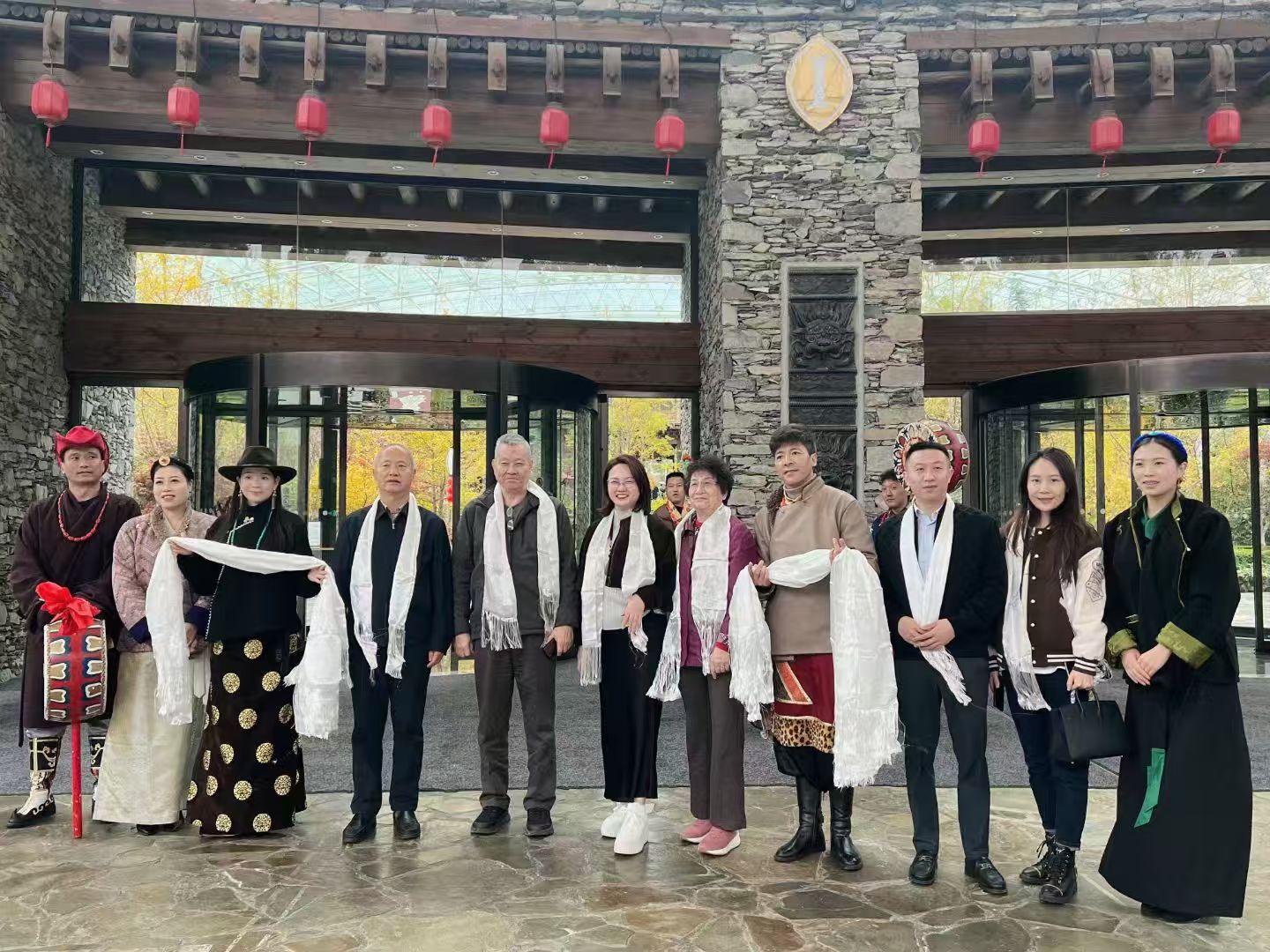
Professor Zhang Jinshan is not only a master clinician but also a driving force in the development of the discipline and a dedicated mentor in talent cultivation. He led his team in establishing one of China’s premier interventional therapy centers. As a doctoral supervisor, he has trained a large number of outstanding specialists and future leaders in interventional medicine, with many of his students and protégés now serving across the country. Academically, he has led multiple key national and military research projects, published more than 300 academic papers, and served as chief editor of three monographs, making remarkable contributions to the establishment of China’s academic framework for interventional medicine and the nationwide dissemination of its technologies.
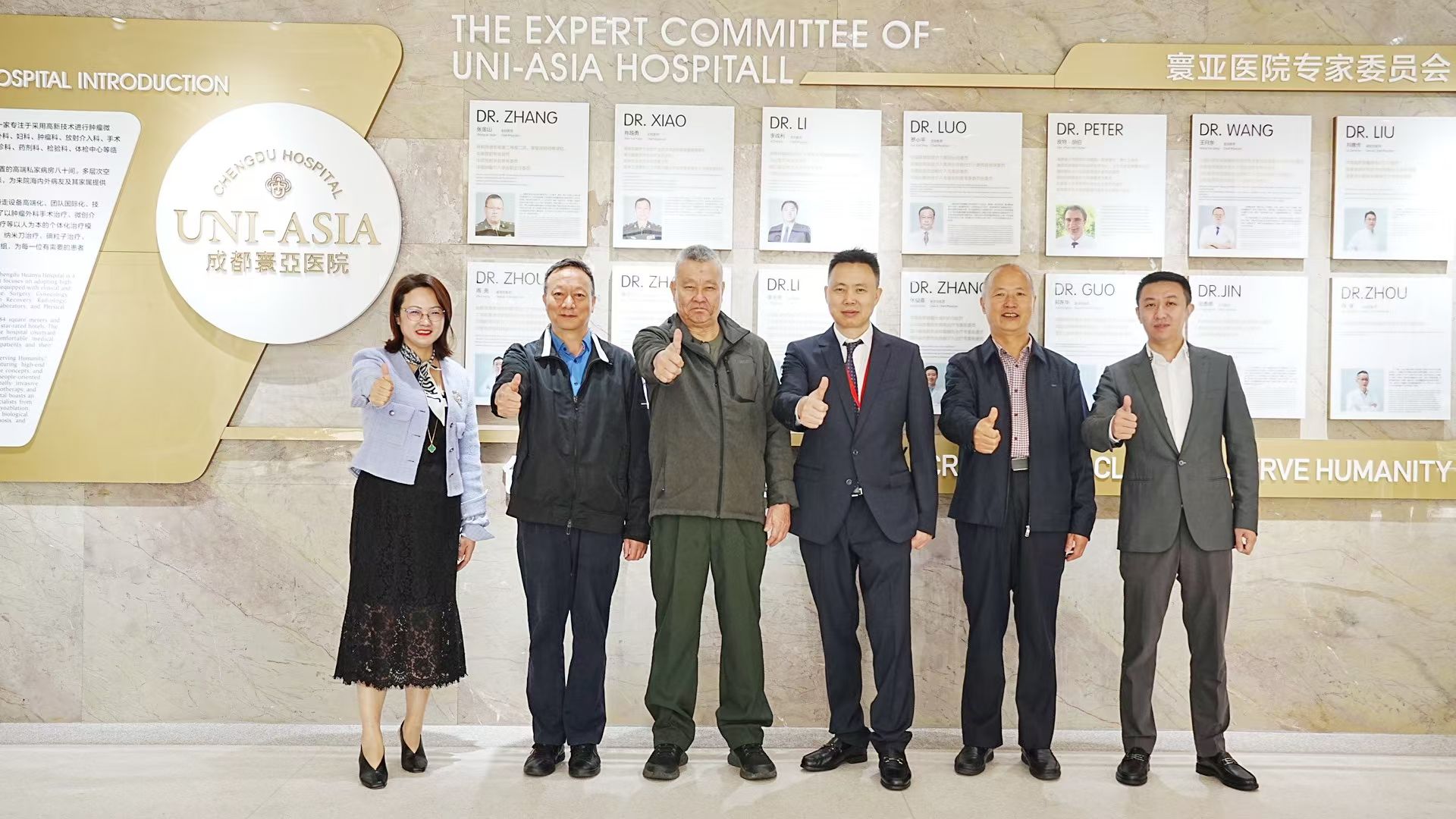
From the laboratory to the operating room, and from academic podiums to grassroots hospitals, Professor Zhang Jinshan has consistently upheld the principles of “pioneering, innovation, pragmatism, and compassion". He has devoted his life to fulfilling the mission of a physician—relieving patients’ suffering through minimally invasive techniques and advancing the discipline through academic excellence—thereby establishing himself as a truly towering figure and one of the foremost authorities in the field of interventional medicine in China.
Professor Zhang Jinshan has achieved prolific academic accomplishments, having published over 300 academic papers covering areas such as interventional therapy for liver cancer, minimally invasive treatment of portal hypertension, interventional treatment of vascular diseases, and tumor ablation.
1. Zhang Jinshan, Wang Maoqiang. Experiments and Clinical Studies of transjugular intrahepatic portosystemic stent shunt (TIPSS). Chinese Journal of Radiology, 1993,27(6):361-365.
Professor Zhang Jinshan is the first author. This is one of the early research papers in China that systematically elaborates on the TIPSS technique. Through animal experiments and clinical case analysis, it confirmed that TIPSS is a safe and effective minimally invasive method for treating portal hypertension and its complications, laying an important foundation for the promotion and application of this technique in China.
2.Zhang Jinshan, Li Huai. Clinical study on transcatheter arterial embolization with temporary hepatic vein occlusion for the treatment of primary liver cancer.Chinese Journal of Radiology, 1996,30(8):521-524.
Professor Zhang Jinshan is the first author. He innovatively proposed the technique of "transcatheter arterial embolization with temporary hepatic vein occlusion." Clinical results demonstrated that this method can significantly increase the drug concentration within liver cancer lesions, reduce damage to normal liver tissue, and effectively improve the therapeutic outcomes for intermediate and advanced liver cancer, providing a novel strategy for the interventional treatment of liver cancer.
3. Zhang Jinshan, Wang Maoqiang, Li Huai. Interventional treatment of Budd-Chiari syndrome. Chinese Journal of Medical Imaging Technology, 1998,14(3):189-191.
Professor Zhang Jinshan is the first author. This paper systematically summarizes the early experience in interventional treatment of Budd-Chiari syndrome in China, elaborating in detail on the key operational points and therapeutic efficacy of techniques such as percutaneous transluminal angioplasty and stent placement. It confirms that interventional therapy is the preferred minimally invasive method for Budd-Chiari syndrome, promoting the standardized development of treatment for this disease.
4.Zhang Jinshan, Li Huai, Wang Maoqiang. Clinical value of superselective hepatic arterial chemoembolization in the treatment of hypovascular liver cancer. Chinese Journal of Radiology, 2000,34(5):335-337.
Professor Zhang Jinshan is the first author. Addressing the challenges in interventional treatment of hypovascular liver cancer, this paper explores the clinical efficacy of superselective hepatic arterial chemoembolization. The results indicate that this technique can precisely target the lesions and improve the treatment response rate, providing an important clinical basis for the interventional treatment of hypovascular liver cancer.
5. Zhang Jinshan, Li Huai, Wang Maoqiang. Interventional treatment of peripheral vascular stenosis and occlusion.Chinese Journal of Radiology, 2002,36(7):612-614.
Professor Zhang Jinshan is the first author. This paper summarizes the interventional treatment experience of over 400 patients with peripheral vascular stenosis and occlusion, analyzing the indications and efficacy of techniques such as balloon angioplasty and stent placement. It confirms that interventional therapy is a safe and effective approach for peripheral vascular diseases, providing practical support for its clinical promotion.
6.Zhang Jinshan, Li Huai, Wang Maoqiang. Clinical application of CT-guided percutaneous puncture ablation in the treatment of abdominal tumors. Chinese Journal of Medical Imaging Technology, 2004,20(9):1395-1397.
Professor Zhang Jinshan is the first author. This paper explores the application value of CT-guided percutaneous puncture techniques such as radiofrequency ablation and chemical ablation in the treatment of abdominal tumors. The clinical results show that this method is minimally invasive with reliable efficacy, offering a minimally invasive treatment option for patients with inoperable abdominal tumors.
7.Zhang Jinshan, Wang Maoqiang, Li Huai. Advances in the application of interventional therapy for benign prostatic hyperplasia. Chinese Journal of Radiology, 2006,40(8):876-878.
Professor Zhang Jinshan is the corresponding author. This paper systematically reviews the cutting-edge advances in interventional therapy for benign prostatic hyperplasia, including the principles, procedures, and efficacy of techniques such as prostatic artery embolization and stent placement, providing new insights for the minimally invasive treatment of benign prostatic hyperplasia.
8.Zhang Jinshan, Li Huai, Wang Maoqiang. Discussion on the standardization of interventional therapy for liver cancer. Chinese Journal of Practical Surgery, 2008,28(10):856-858.
Professor Zhang Jinshan is the corresponding author. Drawing on years of clinical experience and research findings, he led the discussion on standardized protocols for interventional therapy of liver cancer, covering key aspects such as preoperative assessment, treatment modality selection, and postoperative management, providing important references for the formulation of clinical guidelines for interventional therapy of liver cancer in China.
1. Interventional Radiology (People's Military Medical Press, 1995): The first monograph in China to systematically discuss the theories and techniques of interventional radiology. It comprehensively elaborates on the interventional diagnosis and treatment system for tumors, vascular diseases, and non-vascular diseases, becoming a classic essential textbook for interventional physicians in China.
2.Interventional Therapy for Liver Cancer (People's Health Press, 2001): Focusing on minimally invasive interventions for liver cancer, this book systematically summarizes techniques such as TACE, ablation, and vascular intervention, refines operational standards and the prevention and management of complications, and promotes the standardization of interventional therapy for liver cancer.
3.Interventional Treatment of Portal Hypertension (Science Press, 2005): This book systematically elaborates on minimally invasive techniques for portal hypertension, such as TIPSS and B-ORTO, covering experimental research, clinical procedures, long-term follow-up, and efficacy evaluation, filling the gap in monographs on interventional treatment of portal hypertension in China.
1.The National "Eighth Five-Year Plan" Scientific and Technological Key Project—Clinical and Basic Research on Comprehensive Interventional Therapy for Liver Cancer (Project Leader): This project systematically explored multimodal interventional strategies for liver cancer, established the core regimen of superselective TACE combined with local ablation, and significantly improved the therapeutic outcomes for intermediate and advanced liver cancer.
2.The Military "Ninth Five-Year Plan" Key Medical Scientific Research Project—Standardized Research on TIPSS for the Treatment of Portal Hypertension (Project Leader): This project formulated China's first operational standards and postoperative management guidelines for TIPSS, reduced the incidence of complications, and promoted the popularization of this technique throughout the military and across the country.
3.National Natural Science Foundation of China Project — Research on the Mechanism of Targeted Therapy for Liver Cancer Using Hepatic Vein Occlusion Combined with Chemoembolization (Project Leader): This project revealed the synergistic enhancement mechanisms of the innovative technique at the levels of hemodynamics, drug metabolism, and the tumor microenvironment, providing theoretical support for precision interventional therapy of liver cancer.
4.Military Clinical High-Tech Major Project-Establishment and Clinical Application of the Interventional Treatment Technology System for Complex Vascular Diseases (Project Leader): This project overcame interventional challenges in complex lesions such as Budd-Chiari syndrome, peripheral vascular occlusion, and vascular malformations, forming a complete technical system that has been promoted and applied widely.
Professor Beni Boursi leitet die Forschung zu Magen-Darm-Krebs am Sheba Medical Center. Er ist spezialisiert auf die Früherkennung und prädiktive Modelle für die Diagnose kolorektaler Pathologien.