Zur Startseite
4.6/5
TrustPilot

Beste Unfruchtbarkeit Ärzte in Seoul - TOP -6 Ärzte

Top-Ärzte für und Preise in vergleichen. Finden Sie hier Ihre beste Option.

Erhalten Sie Angebote von 3 Top-Spezialisten für in der Republik Korea

Wir wählen die besten Ärzte individuell nach Ihren Bedürfnissen und Ihrem Budget aus.

Top-Ärzte

6

Republik Korea

Bewertungen

14.000+

Von echten Patienten

Erhalten Sie kostenlose, personalisierte Behandlungspläne und wählen Sie die beste Option. Keine Verpflichtung · Keine Gebühren für unsere Leistungen

Yonsei Sarang Moa
An Jea Hyeong

An Jea Hyeong

27 Jahre der Erfahrung
Klinik ist zertifiziert
Best service for patients
Patient choice for robotic prostate surgery
Patient choice for Check-up
+1
Standort: Republik Korea, Seoul

Dr. An Jea Hyeong, außerordentlicher Professor am Inje University Paik Hospital, ist auf Unfruchtbarkeit spezialisiert und verfügt über umfangreiche klinische und akademische Erfahrung.

  • Über 5 Jahre Assistenzzeit in der Geburtshilfe und Gynäkologie
  • Chefarzt für Geburtshilfe und Gynäkologie an mehreren Krankenhäusern
  • Aktives Mitglied der Koreanischen Gesellschaft für Fötalmedizin und Perinatologie
  • Fokus auf patientenorientierte Unfruchtbarkeitsbehandlungen
ArztbesuchPreis auf Anfrage
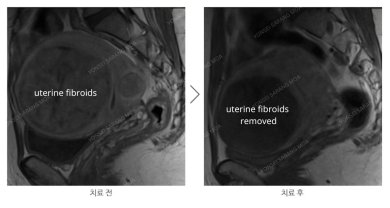
Vorher-nachher-Ergebnisse der Myomektomie mit Da Vinci-Roboter in Yonseisarangmoa women disease hospital
Hong Jung Lee

Hong Jung Lee

27 Jahre der Erfahrung
Klinik ist zertifiziert
Best service for patients
Patient choice for robotic prostate surgery
Patient choice for Check-up
+1
Standort: Republik Korea, Seoul

Direktor des Yonsei Sarangmoa Frauenkrankenhauses – Dr. Lee bringt akademische und klinische Expertise in die Behandlung von Unfruchtbarkeit ein.

  • Absolvieren des Studiums an der Yonsei University College of Medicine
  • Tätigsein als außerordentlicher Professor an zwei renommierten medizinischen Fakultäten
  • Mitgliedsein in mehreren koreanischen Fachgesellschaften für Gynäkologie und Geburtshilfe
  • Spezialisieren auf Frauengesundheit mit Schwerpunkt Unfruchtbarkeit
ArztbesuchPreis auf Anfrage
Yonsei Sarang Moa
Go Mi Hyang

Go Mi Hyang

25 Jahre der Erfahrung
Klinik ist zertifiziert
Best service for patients
Patient choice for robotic prostate surgery
Patient choice for Check-up
+1
Standort: Republik Korea, Seoul

Dr. Go Mi Hyang ist spezialisiert auf Unfruchtbarkeitsbehandlungen im Yonseisarangmoa Women's Disease Hospital und verfügt über einen fundierten Hintergrund in der Geburtshilfe und Gynäkologie.

  • Abschluss an der Graduate School of Medicine der Chungnam National University
  • Abschluss der Facharztausbildung am Gil Hospital der Gachon University
  • Ordentliches Mitglied der Koreanischen Gesellschaft für Geburtshilfe und Gynäkologie
  • Mitglied der Koreanischen Gesellschaft für Perinatologie und Fetalmedizin
ArztbesuchPreis auf Anfrage
Yonsei Sarang Moa
Hong Ju

Hong Ju

25 Jahre der Erfahrung
Klinik ist zertifiziert
Best service for patients
Patient choice for robotic prostate surgery
Patient choice for Check-up
+1
Standort: Republik Korea, Seoul

Außerplanmäßiger Professor an der Yonsei University – Hong Ju leitet das Yonsei Sarangmoa Frauenkrankenhaus mit fundierter Expertise in der Frauengesundheit.

  • Abschluss an der medizinischen Fakultät der Yonsei University
  • Vizedirektor für Geburtshilfe und Gynäkologie
  • Mitglied in mehreren koreanischen medizinischen Fachgesellschaften, einschließlich Menopause und Urogynäkologie
  • Spezialisierung auf umfassende Frauengesundheit und Unfruchtbarkeit
ArztbesuchPreis auf Anfrage
MizMedi Women`s hospital
Kwang Rae Kim

Kwang Rae Kim

Standort: Republik Korea, Seoul

Geburtshelfer-Gynäkologe

ArztbesuchPreis auf Anfrage

MizMedi Women`s hospital
 Na Young Kim

Na Young Kim

Standort: Republik Korea, Seoul
ArztbesuchPreis auf Anfrage

Die Wahl einer Klinik im Ausland kann stressig sein. Bei Bookimed, wo wir bereits über 800.000 Patienten geholfen haben, verstehen wir Ihre Bedenken. Wir wissen, wie man vertrauenswürdige Ärzte, das beste Preis-Leistungs-Verhältnis und Lösungen selbst für komplizierte Fälle findet. Wir sind hier, um Sie bei jedem Schritt zu unterstützen.

Yan Matsiivskiy

Leiter des Teams der medizinischen Koordinatoren

4300++ begleitete Patientenreisen

3 Jahre bei Bookimed

60 Patienten aus haben diesen Monat über uns einen Arzt gefunden

Wie Sie Ihren perfekten Arzt finden

1

2-Minuten-Quiz

Teilen Sie Ihr Ziel, Budget und Ihren Zeitrahmen mit

2

Menschliches Matching + KI

Unser Algorithmus findet passende Matches, ein Koordinator prüft die Eignung

3

Ihre Optionen sind bereit

Preise, Pakete und Termine vergleichen. Mit Ihrem Koordinator chatten

Überfordert von der Auswahl?

Ihr persönlicher Bookimed-Koordinator hilft Ihnen, den perfekten, auf Ihre Bedürfnisse zugeschnittenen Chirurgen zu finden

  • Unterstützt Sie 24/7 in jeder Phase
  • Hilft Ihnen, den passenden Arzt zu finden und übernimmt die gesamte Kommunikation mit den Kliniken
  • Koordiniert Ihre Reise, Unterkunft und Transfers

Ihre Behandlung begleiten

Medizinisch geschulte persönliche Koordinatoren

Peguy Beaugris
Tetyana Hyrych
Zekra Eldeeb
Victoria Olayinka
Iryna Sydorchuk
Tetiana Ihnatiuk

Wie man Arzt und Klinik richtig auswählt: Insidertipps

Achten Sie bei der Auswahl eines Arztes oder einer Klinik auf diese wichtigen Punkte:
Prüfen Sie die Berechtigungsnachweise
Achten Sie auf Zertifizierungen von Organisationen wie ISAPS, JCI usw.
Informieren Sie sich über die Erfolgsquoten
Wählen Sie Ärzte mit umfassender Erfahrung in der Behandlung, die Sie benötigen.
Lesen Sie Patientenbewertungen
Lesen Sie Bookimed-Bewertungen von echten Patienten, um mehr über ihre Erfahrungen zu erfahren.
Sichern Sie eine effektive Kommunikation
Wählen Sie Kliniken, die sprachliche Unterstützung anbieten, um einen reibungslosen Behandlungsablauf zu gewährleisten.
Fragen Sie nach Dienstleistungen
Bestätigen Sie, ob der Preis Leistungen wie Unterkunft, lokale Transfers und Nachsorge umfasst, um versteckte Kosten zu vermeiden.

Erkenntnisse von Bookimed: Top-Spezialisten für Unfruchtbarkeit in der Republik Korea ()

Bookimed hat 28 Anfragen für die Behandlung von Unfruchtbarkeit in der Republik Korea koordiniert und arbeitet mit 6 Top-Spezialisten zusammen. Die Ärzte in dieser Tabelle werden basierend auf internationalen Qualifikationen, klinischer Expertise und Patientenergebnissen ausgewählt. Das Ranking für basiert auf verifizierten Daten aus echten Patientenfällen und aktuellen Programmen unserer Partnerkliniken.
RangArztErfahrungGut geeignet fürWas sie einzigartig machtKlinik & StandortBeratung
#127 Jahre der ErfahrungPersonalisierte UnfruchtbarkeitsbehandlungenAußerplanmäßiger Professor mit klinischen Führungsrollen, der eine fortschrittliche, patientenzentrierte Unfruchtbarkeitsbehandlung gewährleistet. Mitglied mehrerer angesehener koreanischer medizinischer Fachgesellschaften.
Republik Korea
Preis auf Anfrage
#227 Jahre der ErfahrungKomplexe InfertilitätsfälleKombiniert akademische Funktionen an führenden medizinischen Fakultäten mit klinischer Leitung. Mitglied mehrerer Gynäkologie- und Geburtshilfe-Fachgesellschaften mit Schwerpunkt auf reproduktiver Gesundheit von Frauen.
Republik Korea
Preis auf Anfrage
#325 Jahre der ErfahrungBehandlungen bei UnfruchtbarkeitSpezialisierung auf Unfruchtbarkeit mit Schwerpunkt Geburtshilfe und Gynäkologie. Mitglied in mehreren angesehenen koreanischen medizinischen Fachgesellschaften.
Republik Korea
Preis auf Anfrage
#425 Jahre der ErfahrungUmfassende UnfruchtbarkeitsbehandlungCo-Direktor eines führenden Frauenkrankenhauses mit akademischen Funktionen an der Yonsei University. Aktiv in mehreren spezialisierten koreanischen medizinischen Fachgesellschaften.
Republik Korea
Preis auf Anfrage

FAQ

Diese FAQs stammen von echten Patienten, die über Bookimed medizinische Hilfe suchen. Die Antworten werden von erfahrenen medizinischen Koordinatoren und vertrauenswürdigen Klinikvertretern gegeben.

Do infertility doctors in South Korea speak English?

Infertility doctors in South Korea frequently speak English, especially at specialized centers and university hospitals in Seoul. Many specialists, such as Dr. Hong Ju at Yonseisarangmoa, hold adjunct professor roles at top universities where English medical literature is the standard. Professional coordinators and international departments bridge any remaining language gaps during the treatment process.

  • Academic training. Many specialists graduated from Yonsei University, where elite medical training often includes international research.
  • Bilingual leadership. Directors like Dr. Hong Jung Lee lead hospitals that specifically cater to international patient needs.
  • Integrated support. Clinics often provide dedicated translators to handle technical medical terms and daily logistics.
  • Specialized certifications. Experts like Dr. Woo Jung Choi hold US-based certifications, indicating high-level English proficiency.

Bookimed Expert Insight: While many doctors are fluent, some switch to English only after confirming a patient's preference. At centers like Yonseisarangmoa Women Disease Hospital or MizMedi, the presence of adjunct professors suggests a high level of academic English. Patients should rely on Bookimed to confirm which specific doctor at a clinic will lead their consultation in English.

Patient Consensus: Patients found that while staff might use basic English, specialists often communicate protocols clearly. They noted that coordinators are lifesavers for navigating complex IVF steps without needing an external translator.

How can I evaluate the success rates of infertility doctors in Korea?

Evaluate Korean infertility doctors by reviewing their clinical leadership roles and specialized health society memberships. Verified success metrics are filed through the Health Insurance Review and Assessment Service (HIRA). Look for doctors with adjunct professor status at top universities like Yonsei to ensure updated expertise.

  • Academic leadership. Specialists like Dr. Hong Ju serve as adjunct professors at prestigious university hospitals.
  • Specialized memberships. Top doctors belong to societies for reproductive medicine, fetal medicine, and perinatology.
  • Institutional volume. Leading centers like Samsung Medical Center perform 45,000+ procedures over 30+ years.
  • Custom protocols. Review whether the doctor offers personalized care for specific diagnoses like diminished ovarian reserve.

Bookimed Expert Insight: Success rates in Korea often vary by the specialist's medical school affiliation and leadership roles. Directors like Dr. Hong Jung Lee at Yonsei Sarangmoa hold adjunct professor posts at multiple medical schools. This indicates they teach the latest techniques, which likely results in more precise treatment plans than general practitioners.

Patient Consensus: Patients suggest asking doctors for the specific reason a cycle failed to judge their transparency. Real experiences show that getting second opinions helps identify which doctors ask more thorough, individual questions.

How many embryos do Korean infertility doctors prefer to transfer?

Infertility doctors in the Republic of Korea usually transfer one to two embryos per cycle. Professionals like Dr. Hong Jung Lee at Yonsei Sarangmoa Hospital follow strict age-based guidelines. These protocols aim to minimize multiple pregnancy risks while maximizing the chances of a healthy live birth.

  • Age under 35. Doctors typically transfer one blastocyst or up to two cleavage-stage embryos.
  • Age 35 and older. Specialists may transfer two blastocysts or up to three cleavage-stage embryos.
  • Blastocyst preference. Doctors favor day 5 embryos because they have higher implantation success rates.
  • Selective transfer. Many clinics now prioritize single-embryo transfer (SET) to avoid complications.

Bookimed Expert Insight: Leading specialists in Seoul, including those at MizMedi and Yonsei Sarangmoa, are moving toward elective single-embryo transfer. This shift is driven by advanced screening and a focus on long-term maternal health. Data shows that even when patients request multiple embryos, directors like Dr. Hong Ju often recommend single transfers if embryo quality is high.

Patient Consensus: Patients noticed that clinics often make single-embryo transfer the routine choice for first-timers. While some negotiated for two embryos after multiple losses, many felt the conservative approach reduced physical stress. They appreciated that this method led to fewer complications during pregnancy.

Can I consult a Korean Medicine (KM) doctor for infertility while in Korea?

You can consult a Korean Medicine (KM) doctor for infertility in Korea. South Korea uses a dual medical system. Both conventional and traditional KM treatments are legally recognized. Specialists like Dr. Woo Jung Choi provide holistic care for local and international patients.

  • Holistic approach. Doctors use pulse diagnosis to create custom herbal teas for hormonal balance.
  • Dual system. Integrated centers allow KM specialists and conventional gynecologists to collaborate on cases.
  • Specialized techniques. Treatments include acupuncture and moxibustion, which is heat therapy for uterine circulation.
  • Professional certification. Qualified KM doctors are members of the Society of Obstetrics and Gynecology of Korean Medicine.

Bookimed Expert Insight: Patients found that starting KM treatments earlier in their journey provided better results. One non-obvious pattern from specialist profiles like Dr. Woo Jung Choi is the focus on mind-body healing. Combining traditional diagnostics with modern tools like ultrasound creates a more precise treatment plan for complex infertility.

Patient Consensus: Patients noticed that weekly acupuncture sessions helped regulate their cycles within two months after failed IVF rounds. Many found that custom herbal protocols improved uterine lining thickness during their stay in Seoul.

Will the same infertility doctor be present at every visit and procedure?

In Korean fertility clinics, your primary doctor rarely oversees every visit or procedure personally. While a lead specialist like Dr. Hong Ju at Yonseisarangmoa Women Disease Hospital manages your plan, residents or nurses often handle routine monitoring and injections to maintain clinic efficiency.

  • Routine monitoring. Dedicated nurses or technicians typically perform daily blood work and ultrasound scans.
  • Major procedures. Specialists or scheduled on-call doctors usually perform egg retrievals and embryo transfers.
  • Team-based care. Large clinics use a team approach where several doctors review your charts daily.
  • Doctor availability. Lead doctors often focus on complex consultations rather than performing every ultrasound.

Bookimed Expert Insight: Data shows that choosing a doctor with high-level administrative roles, such as Dr. An Jea Hyeong who served as Chief of Obstetrics at multiple hospitals, often means they manage a larger clinical team. These specialists focus on high-level strategy, while a rotation of qualified residents handles the standard daily monitoring steps.

Patient Consensus: Patients noted that lead doctors often only appear for the final transfer, while trainees handle earlier steps. Many recommend confirming the team structure early so you do not feel like just another case in line.

Do infertility specialists in Korea require both partners to attend every consultation?

Infertility specialists in Korea do not require both partners at every visit, but joint attendance is essential for initial consultations and key milestones. Centers like MizMedi Women`s Hospital prioritize seeing both partners first to evaluate medical histories and perform essential tests like semen analysis.

  • Initial consultation. Specialists require both partners to attend for a complete reproductive health assessment.
  • Semen analysis. Male partners must attend specific appointments for diagnostic testing and sperm collection.
  • Decision milestones. Joint presence is mandatory for embryo transfer discussions and signing legal consent forms.
  • Follow-up flexibility. Individual appointments are common for routine ultrasounds, blood work, or medication adjustments.

Bookimed Expert Insight: Specialists like Dr. Hong Jung Lee at Yonsei Sarangmoa Women’s Hospital use advanced robotic systems, making them an excellent choice for complex infertility caused by structural issues like fibroids. Choosing a director-level specialist who is also an adjunct professor ensures your treatment follows the latest academic research and clinical protocols.

Patient Consensus: Patients find that clinics provide helpful text reminders specifying exactly when both partners must be present. While egg retrieval prep is usually handled individually, couples appreciated the shared emotional support during the crucial embryo transfer discussions.