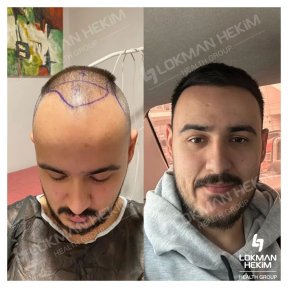
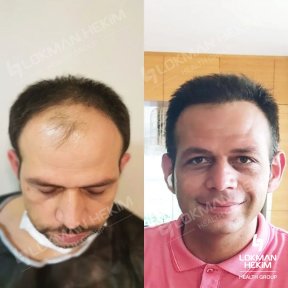
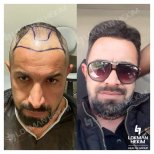
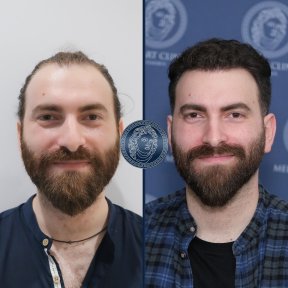
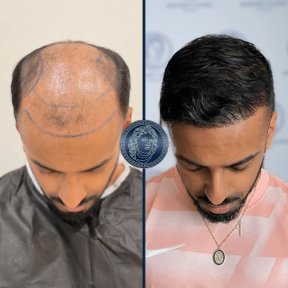
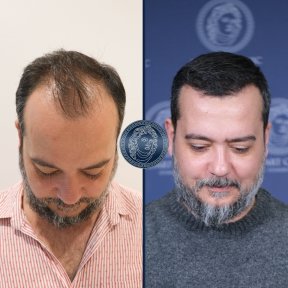
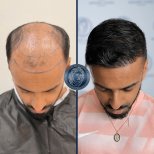
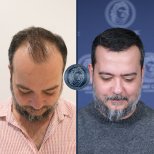
The main difference between an organic and traditional hair transplant is the preparation of the recipient area using the patient’s own stem cell-rich fat tissue. This technique rejuvenates the scalp to improve follicle survival, whereas traditional methods like FUE rely solely on the existing blood supply.
- Scalp preparation: Organic uses fat injections to create a nutrient-rich environment for new follicles.
- Stem cell integration: Leverages adipose-derived cells to increase blood flow and enhance graft adherence.
- Survival rates: Proponents claim success up to 96% due to better scalp soil quality.
- Chemical avoidance: Replaces chemical swelling solutions with natural fat, promoting faster initial healing.
Bookimed Expert Insight: While billed as a premium separate technique, organic transplantation is essentially an enhanced FUE or DHI protocol. Data shows clinics like Medart Clinic and Hair Clinic bundle these stem-cell or PRP enrichments into packages ranging from $2,900 to $3,300. This is often more cost-effective than adding these as separate therapies later, where patients typically spend $1,000 extra for post-op density boosters.
Patient Consensus: Patients often report 10–20% better density and reduced shock loss compared to standard procedures. Some note the scalp remains oilier for the first 3 months, requiring more frequent gentle cleansing to clean follicles.