





Zur Startseite
1M+ Patientenanfragen
32+ Länder
3,234 Partnerkliniken
12,472 zertifizierte Ärzte

Was kostet Haartransplantation bei Frauen in Großbritannien?

Die Kosten für eine Haartransplantation bei Frauen im Vereinigten Königreich liegen typischerweise zwischen $5,000 und $9,800. Der Endpreis hängt von der Anzahl der Grafts, der chirurgischen Technik und dem Standort der Klinik ab. In den USA kosten ähnliche Eingriffe durchschnittlich etwa $9,800. Das Vereinigte Königreich bietet Einsparungen von etwa 49%. Britische Kliniken beinhalten in ihren ersten Angeboten oft den Eingriff, die örtliche Betäubung und grundlegende postoperative Medikamente.

  • Graft-Volumen: Die Preise skalieren mit dem Ausmaß des Haarausfalls, wobei 3.000+ Grafts deutlich mehr kosten.
  • Technik-Art: FUE- und DHI-Methoden erfordern im Allgemeinen höhere Gebühren als die traditionelle FUT-Operation.
  • Stadtstandort: Kliniken in London und Manchester berechnen oft 15-20 % mehr als Zentren wie Nottingham.
  • Nicht-rasierter Ansatz: Spezialisierte Techniken ohne Rasur für Frauen erhöhen die Komplexität und die Gesamtkosten.

Expertenmeinung von Bookimed: Die Wahl einer Klinik in Nottingham oder Glasgow kann im Vergleich zur Harley Street erhebliche Einsparungen bieten. Seneca Hair Restoration in Glasgow ist von der IMTJ akkreditiert und führt jährlich 800 Eingriffe durch. Viele erstklassige britische Einrichtungen sind bei der CQC und GMC registriert. Diese Kliniken liefern qualitativ hochwertige Ergebnisse ohne die mit zentralen Londoner Standorten verbundenen Aufschläge.

Daten von Bookimed geprüft (Stand: November 2026), basierend auf Patientenanfragen und offiziellen Angeboten von 156 Kliniken weltweit. Die Durchschnittskosten basieren auf echten Rechnungen (2025–2026) und werden monatlich aktualisiert. Die tatsächlichen Kosten können variieren.

Vorteile und Garantien von Bookimed

Direkte Preise

Bookimed erhebt keine zusätzlichen Gebühren für Haartransplantation bei Frauen-Preise. Die Preise stammen aus den offiziellen Preislisten der Kliniken. Sie zahlen direkt in der Klinik für Ihr Haartransplantation bei Frauen bei Ihrer Ankunft.

Nur geprüfte Kliniken und Ärzte

Bookimed setzt sich für Ihre Sicherheit ein. Wir arbeiten nur mit medizinischen Einrichtungen zusammen, die hohe internationale Standards für Haartransplantation bei Frauen einhalten und über die notwendigen Lizenzen verfügen, um internationale Patienten weltweit zu versorgen.

Kostenlose 24/7-Hilfe

Bookimed bietet kostenlose fachliche Unterstützung. Ein persönlicher medizinischer Koordinator unterstützt Sie vor, während und nach Ihrer Behandlung und hilft Ihnen bei allen Fragen. Sie sind auf Ihrer Haartransplantation bei Frauen-Reise nie allein.

assistant avatar
Warum wir?

Ihr persönlicher medizinischer Koordinator bei Bookimed

  • Unterstützt Sie in jeder Phase
  • Hilft bei der Auswahl der richtigen Klinik und des passenden Arztes
  • Sorgt für einen schnellen und bequemen Zugang zu Informationen

Entdecken Sie die besten Kliniken von Haartransplantation bei Frauen in Großbritannien: 6 geprüfte Optionen und Preise

Das Bookimed-Klinikranking basiert auf datenwissenschaftlichen Algorithmen und bietet einen vertrauenswürdigen, transparenten und objektiven Vergleich. Dabei werden die Patientennachfrage, Bewertungsergebnisse (sowohl positiv als auch negativ), die Häufigkeit von Aktualisierungen der Behandlungsoptionen und Preise, die Reaktionsgeschwindigkeit und die Klinikzertifizierungen berücksichtigt.

Haartransplantation bei Frauen Übersicht in Großbritannien

Schlussfolgerungen
Verwandte Verfahren und Kosten
Wie es funktioniert
Was zu erwarten ist
Vorteile
Zahlung
Patienten empfehlen -
85%
Operationszeit - 4 Stunden
Bleiben Sie im Land - 5 Tage
Rehabilitation - 7 Tage
Anästhesie - Lokale Anästhesie
Anfragen bearbeitet - 110449
Bookimed Gebühren - $0

Erhalten Sie eine medizinische Bewertung für Haartransplantation bei Frauen in Großbritannien: Wählen Sie Ihren Spezialisten unter den Besten auf dem Gebiet

Alle Ärzte anzeigen
Sweta Rai
verifiziert

Sweta Rai

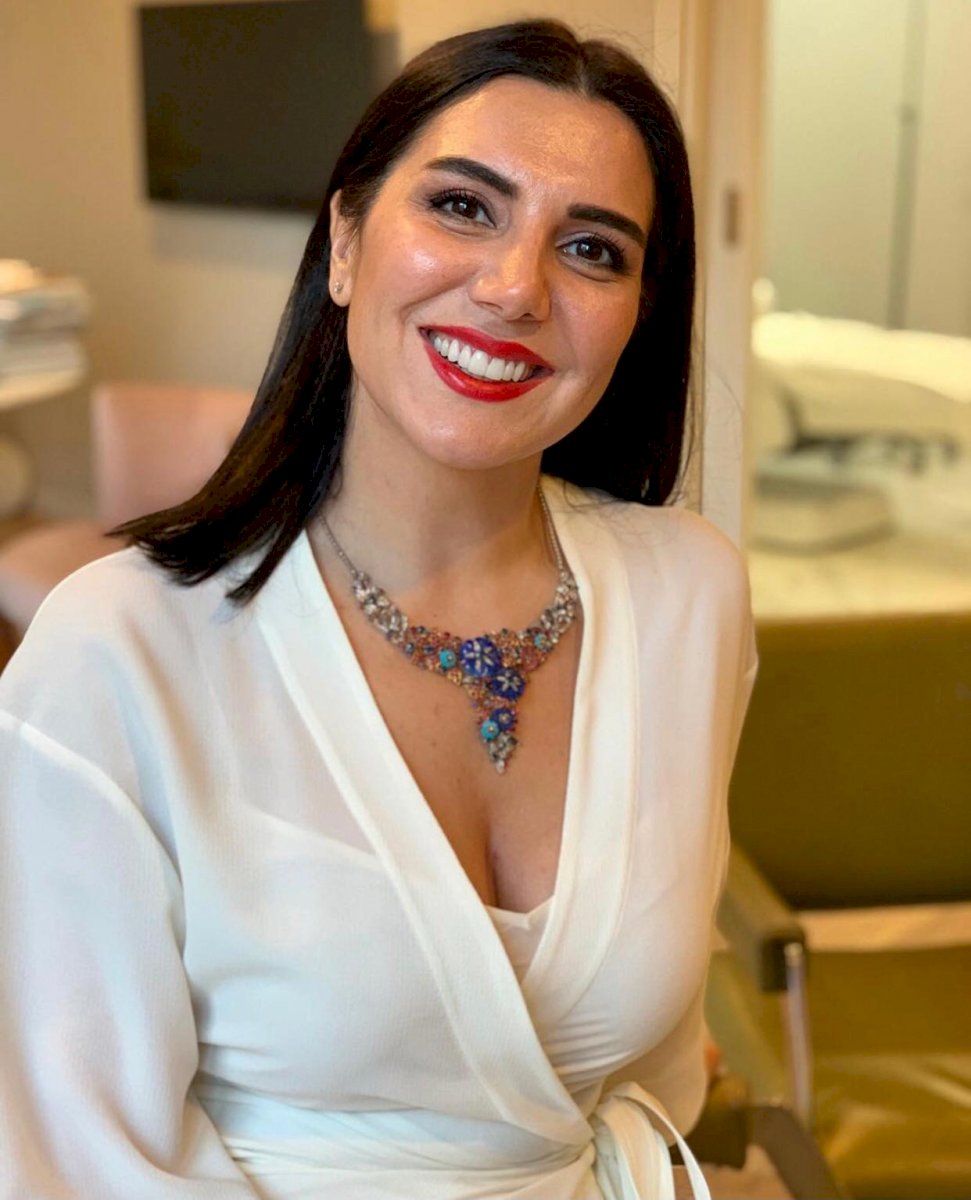
Dr. Sweta Rai ist Dermatologin und dermatologische Chirurgin bei Cosmetic Surgery Partners London. Sie ist auf prozedurale Dermatologie sowie auf die kosmetischen Ergebnisse chirurgischer Eingriffe spezialisiert. Sie ist Mitglied der American Academy of Dermatology.

Dr. Rai praktiziert bei Cosmetic Surgery Partners in London, einer Klinik, die sich auf ästhetische Ergebnisse und chirurgische Präzision konzentriert. Sie besitzt eine Zertifizierung der American Academy of Dermatology, eine berufliche Qualifikation im Bereich Hautgesundheit und Chirurgie.

Videogeschichten von Bookimeds Patienten

Oksana
Mein Traum wurde wahr. Endlich werde ich nicht mehr wegen meiner Haare weinen.
Verfahren: Haartransplantation
Roman
Nur 4 Tage in der Türkei, und ich bin schon zu Hause mit neuem Haar.
Verfahren: Haartransplantation
Klinik: Hair Clinic
Jamie
Dank Bookimed verlief diese medizinische Reise reibungslos.
Verfahren: Operation zur Geschlechtsumwandlung

Diesen Inhalt teilen

Aktualisiert: 11/12/2026
Verfasst von
Mariia MytrofankinaMariia Mytrofankina
Mariia Mytrofankina
Copywriter (English und Deutsch)
Mehrsprachige medizinische Autorin mit über 5 Jahren Erfahrung und einem Master in Philologie und Übersetzung. Leitet Projekte zur globalen Gesundheitszertifizierung und LGBTQ+-Patientenversorgung.
Leyla Arvas
Leyla Arvas
Schönheitschirurg/-in
Dr. Leyla Arvas ist eine renommierte plastische, rekonstruktive und ästhetische Chirurgin, die auf Nasenkorrekturen, Facelifts, Fettabsaugung und Brustoperationen spezialisiert ist. Sie hat in Taiwan, Tokio und Barcelona ausgebildet und mit führenden Experten auf dem Gebiet der Mikrochirurgie und Laserbehandlungen zusammengearbeitet. Dr. Arvas ist erfahren in der VASER- und LASER-Liposuktion sowie in der hochauflösenden Liposkulptur.
Leyla Arvas Linkedin
Diese Seite enthält möglicherweise Informationen zu verschiedenen Erkrankungen, Behandlungen und Gesundheitsdiensten, die in verschiedenen Ländern verfügbar sind. Bitte beachten Sie, dass der Inhalt nur zu Informationszwecken bereitgestellt wird und nicht als medizinischer Rat oder Anleitung ausgelegt werden sollte. Bitte konsultieren Sie Ihren Arzt oder eine qualifizierte medizinische Fachkraft, bevor Sie eine medizinische Behandlung beginnen oder ändern.

Alles, was Sie über Haartransplantation bei Frauen in Großbritannien wissen müssen

Medizinischer Haftungsausschluss: Dieser Artikel dient nur zu Informationszwecken und stellt keine medizinische Beratung dar. Konsultieren Sie vor medizinischen Entscheidungen stets eine qualifizierte Fachkraft. Die Ergebnisse können variieren. Den vollständigen Haftungsausschluss lesen

About 70% of hair-restoration consultations come from women. Only 5% to 10% of them go on to surgery, according to one ISHRS surgeon. Losing your hair can feel deeply personal, and the first instinct is to compare techniques and prices. The more useful first question is whether a female hair transplant will actually help you. For most women with hair loss, surgery is not the first step. A proper assessment is where good care begins.

Is a Female Hair Transplant Right for You?

Fewer women than men are suited to surgery, and the reason sits at the back and sides of the head. That hair is the donor area, the only hair a transplant can move. In men it usually holds firm. In women the thinning often reaches it too. Hair taken from a thinning donor area fades at the same rate it would have anyway. A consultation settles which pattern you have, and most women leave with a non-surgical plan instead.

Women who ask about surgery most often want to restore the hairline or temples. They also want to know the result will look natural. A consultation checks whether surgery can deliver that for you. At that visit, a surgeon checks:

  • Whether the hair at the back and sides is dense and staying put.
  • Whether the loss spares the back and sides or spreads across them.
  • Any condition or medicine that could affect healing or new growth.

Which Hair Loss Patterns Suit a Transplant

A surgeon starts by telling two kinds of thinning apart. They can look alike in the mirror and behave very differently once hair is moved.

When the hair at the back and sides holds firm, it can be moved and is likely to last. When the loss reaches the back and sides too, hair moved from there would fade as well.

In women, the second pattern is the more common one. A surgeon tells the two apart with a scalp microscope, called trichoscopy. The usual grading scale for female hair loss only measures thinning on top of the scalp. So it tells you nothing about the donor area.

Before surgery, the work-up should also rule out other causes of hair loss that are not inherited. If the donor area is itself thinning, a surgeon treats that as a reason for caution. Sometimes it is a reason not to operate. Whether your loss is inherited and whether it will keep going is part of the same question. That is another reason the first visit is an assessment.

Tests and Medicines to Check Before a Hair Transplant

Before any surgery is planned, a doctor runs blood tests to look for treatable causes of hair loss. Fixing one of these can bring hair back with no operation at all. The usual checks cover:

  • Thyroid function, since an under-active or over-active thyroid can thin the hair.
  • Polycystic ovary syndrome (PCOS), a common hormone condition that can drive hair loss.
  • Iron, vitamin D, and zinc, because low levels are a frequent, fixable cause.

If hair is actively shedding after stress, illness, or childbirth, surgery is put off until it settles. On medicines, the main option for female-pattern hair loss is minoxidil, a lotion you rub into the scalp. A low daily dose taken as a tablet is sometimes used as well, started low to limit extra body hair.

A common hair-loss tablet called finasteride is not used in women at all. It is ruled out because of the risk to a developing baby in pregnancy. Checking these things first can mean better hair without surgery, or a safer result if you do have it.

Do You Have to Shave for a Hair Transplant?

For most women, the answer is no. You rarely need to shave the whole head. Both the strip method and the unshaven method are used for women. The technique is chosen to keep your length. Here is how the common methods affect your hair.

MethodHow it affects your hair lengthBest suited for
Unshaven extraction (FUE)Only the small hairs being moved are trimmed; the rest keeps its length.Keeping most of your hair long throughout.
Strip method (FUT)Hair is taken from a band under your existing hair, which falls back to cover the fine line left behind.Moving more grafts in one session while the top stays long.
Direct-implant pen (DHI)New hairs are placed between existing ones without cutting the surrounding hair.Adding fullness along a parting.

In every method, a surgeon limits how much donor hair is taken in one session. So the back and sides never look thin afterward. Among Bookimed's UK partners, Seneca Hair Restoration UK in Glasgow carries out FUE entirely by a doctor. The clinic treats only hair and scalp conditions.

What Results Women Can Expect

In a study of 62 women at one clinic, two-thirds rated the result satisfied or very satisfied after a median of 20 months. About 27% were undecided and 5% were dissatisfied, and no complications were recorded. The median session moved 1,700 grafts.

The donor area closed by a median of 99%. That figure describes how fully the site the hair was taken from filled back in, and it is the part of the result you see when your hair is tied back. Half the women reached full closure, while in about 1 in 20 it stayed under half.

The goal itself was the strongest predictor of a high score. Women treated for the hairline rated the result higher than women treated for diffuse thinning, an eyebrow or a scar. A hairline is a defined edge, so a modest number of grafts changes the frame of the face. Wavy or curly hair scored higher too, because it lies across the scalp and covers more of it than straight hair does.

A good result, for most women, is a natural-looking hairline and enough density at the parting that the scalp stops showing through. That is a smaller target than a full head of hair, and it is what a female donor area can realistically cover.

Recovery: When Your Hair Grows Back

The scalp itself heals within a few days, but the new hair takes time to arrive. Regrowth usually begins around the fourth month, and the fuller result builds over about 10–18 months. Here is how the timeline usually runs:

  1. In the first days, the scalp heals and any redness settles.
  2. Over the first weeks, most transplanted hairs shed, which is normal and expected before they regrow.
  3. Around month 4, new hair starts to come through.
  4. By 10–18 months, the fuller, final result fills in.

A few weeks to a few months in, some women notice extra shedding of transplanted and nearby hair. It's temporary and reverses on its own. The donor area's own temporary shedding usually settles over about 3–4 months.

A transplant doesn't stop the natural thinning of your other hair. Keeping up non-surgical treatment helps protect the result. Some women choose a second procedure years later to keep pace with new thinning.

How UK Rules Protect You

Having surgery in the UK comes with real protections. Knowing what each one covers helps you choose well.

What CQC and GMC cover

In England, any clinic that carries out hair transplant surgery must be registered with the Care Quality Commission (CQC). It inspects healthcare providers for safety, hygiene, and how they are run. Renting a room inside a registered building isn't enough on its own. The CQC doesn't judge how your hairline will look or how well the grafts survive. So it helps to look at the surgeon's own before-and-after results too.

It's also useful to check your surgeon is on the General Medical Council (GMC) register. This is the official list of licensed doctors in the UK.

The surgeon-led rule

A doctor must carry out the cuts that remove and place the grafts. This keeps the most delicate steps in the hands of a qualified surgeon. Membership of the British Association of Hair Restoration Surgery (BAHRS) is a further sign a surgeon focuses on this work.

Your two-week cooling-off period

UK standards give you a cooling-off period of at least two weeks. It covers the days between agreeing to surgery and paying for it or having it done. That gives you time to ask questions and decide without pressure.

Alle medizinischen Inhalte auf dieser Seite werden von Autoren mit spezialisierter medizinischer Ausbildung erstellt und von zertifizierten Fachärzten des jeweiligen Fachgebiets überprüft. Medizinische Überprüfung durch Leyla Arvas, Schönheitschirurg/-in.

Zuletzt aktualisiert: 11/12/2026.

  • Statistiken: Die Zahlen basieren auf der internen Datenbank von Bookimed vom November 2026 und umfassen die Analyse von 12,450 Patientenanfragen an 6 akkreditierten Kliniken in .
  • Preise: Die Kostenangaben werden direkt von den Partnerkliniken von Bookimed bereitgestellt und regelmäßig aktualisiert, um die Marktbedingungen im 2026 widerzuspiegeln. Die tatsächlichen Ausgaben können je nach Fallkomplexität, Erfahrung des Chirurgen und Standort der Klinik abweichen.
  • Klinische Daten: Behandlungsergebnisse und Patientenzufriedenheitswerte werden aus der verifizierten Klinikdatenbank von Bookimed erhoben und durch Daten aus peer-reviewten medizinischen Quellen wie PubMed, The Lancet, JAMA und NEJM (2023–2026) gestützt.

Alle Daten dienen ausschließlich allgemeinen Informationszwecken und spiegeln möglicherweise nicht individuelle Ergebnisse oder Erfahrungen wider.

Kostenlose Beratung erhalten

Wählen Sie die beste Art und Weise, Sie zu kontaktieren